


Opening: why a comparative lens matters
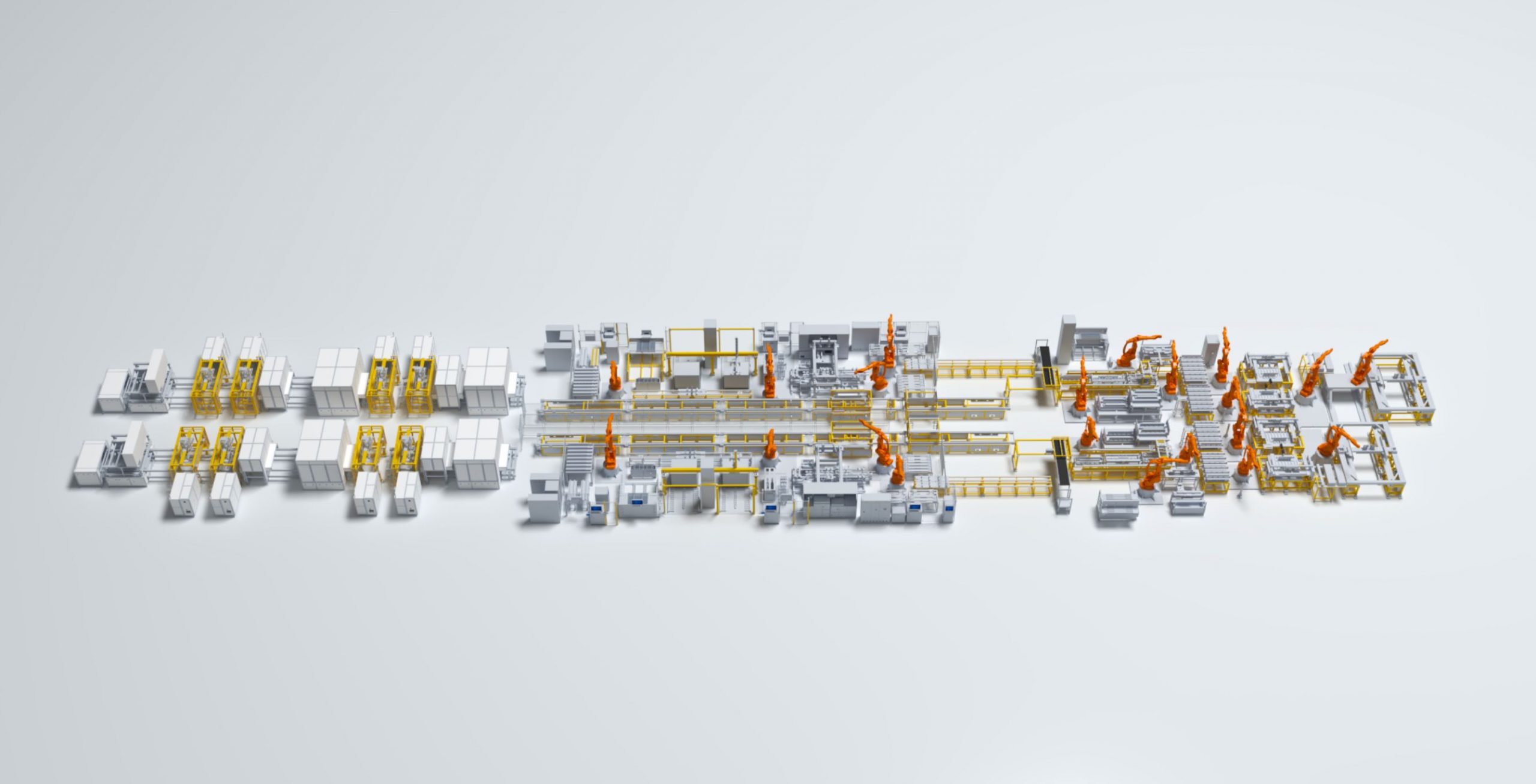
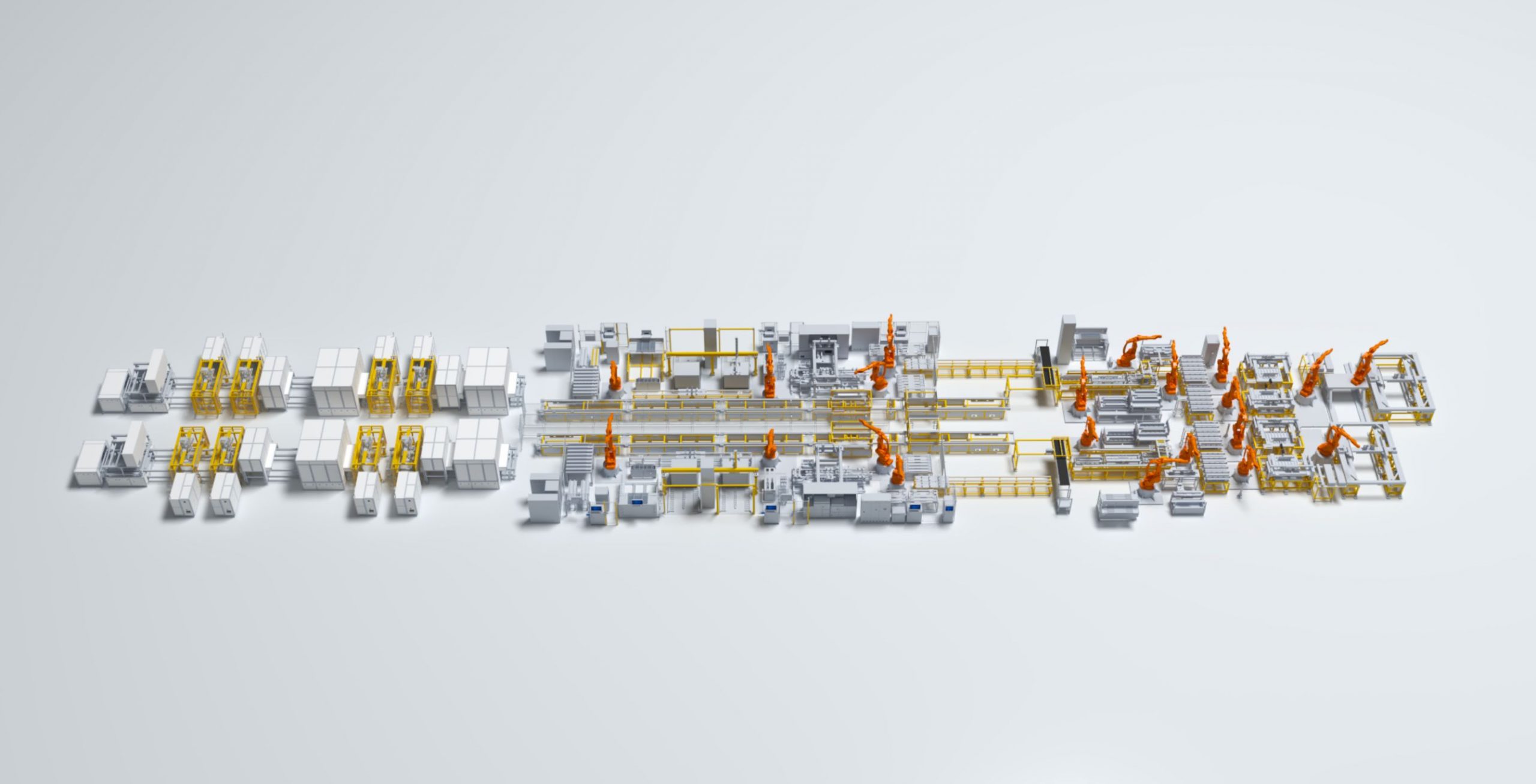
Choosing automation for a blade battery assembly line demands more than price tags; it requires comparing long-term environmental and operational outcomes. Start by placing specific automation options next to the production realities of a blade battery pack — cycle time, material handling risks, thermal management, and waste streams — to see where costs truly accumulate. The way BYD introduced its blade battery in China showed the market consequence: a design decision can reshape manufacturing priorities and downstream waste handling.
Define lifecycle value in measurable terms
Lifecycle value ties direct costs to environmental performance over the asset life. Use these concrete metrics:- Total purchase and commissioning cost.- Energy consumed per finished pack and its carbon intensity.- Yield rate and rework frequency (cells rejected or repackaged).- Preventive vs reactive maintenance hours and spare-parts inventory.- Expected upgrade or retrofitting cost at 5- and 10-year marks.- End-of-life handling cost and recyclability impact.Collecting these measures creates a side-by-side view that shows where cheaper options hide future expense or environmental burden.
Compare technologies against task-specific requirements
Don’t compare automation generically. Map each technology to tasks in battery production and score them on risk and value:- Precision handling (cell pickup, placement): pick systems with low-particle generation and high repeatability.- Thermal processes (formation, aging): prefer systems with tight process control and energy recovery options.- Inspection and testing: vision + inline electrical test reduces scrap later.- Material transport: sealed conveyors or AMRs with ESD control lower contamination risk.Score each tech for capital cost, energy use, downtime risk, upgradeability, and recyclability of tooling. The best choice minimizes hazardous incidents and reduces material loss over millions of cycles.

Common pitfalls that skew total-cost calculations
Avoid these mistakes when you model total cost:- Ignoring energy mix: running a high-power system in a grid-heavy coal region multiplies carbon and regulatory exposure.- Omitting yield impact: small percentage improvements in yield can eclipse hardware cost differences.- Skipping tooling lifecycle: custom end-of-arm tooling may require frequent replacement; factor that in.- Overlooking software and integration: poor integration increases commissioning time and hidden labor costs.- Neglecting decommissioning: disposal or recycling of specialized equipment can be costly and regulated.
Environmental consequences that must shape decisions
Decisions alter material flows and emissions:- Energy per unit produced and ability to use low-carbon electricity reduce lifecycle emissions immediately.- Designs that facilitate disassembly lower recycling cost and landfill risk at end-of-life.- Lower scrap rates cut upstream mining and processing demand.Prioritize automation that reduces waste, enables repair or remanufacture, and avoids single-use fixtures.
Practical steps to run a fair comparative assessment
Follow a concise process that yields actionable insight:- Map process steps and assign critical tolerances and contamination sensitivity.- Collect or estimate the metrics listed under lifecycle value for each candidate.- Run scenario models: base case, high energy price, tighter emissions rules, and faster demand growth.- Weight environmental penalties explicitly (carbon cost, waste disposal) rather than burying them.- Validate assumptions on a small pilot line before full-scale buy decisions.
Alternatives and quick evaluations
Short, practical takes for common choices:- Traditional PLC-driven lines: lower upfront complexity, higher labor and changeover cost; moderate energy profile.- Collaborative robots: flexible, lower tooling waste, but may struggle with high-throughput thermal zones.- Fully integrated MES-driven cells: best for traceability and yield control; higher initial spend and integration time.- Modular skid units: faster deployment and easier retrofit; check sealing and particulate control for battery tasks.
Decision checklist for procurement and operations
Before signing, confirm:- Energy intensity per unit and options for cleaner power.- Expected yield improvement and how it was measured.- Spare-parts lead times and contractual support for firmware/updates.- Compatibility with disassembly and recycling processes.- Measured pilot data under real-floor conditions, not just lab demos.
Final synthesis: align cost calculus with environmental consequence
Selecting automation requires a comparative mindset that treats environmental performance as a value driver, not a sidebar. Quantify energy, yield, maintenance, and end-of-life costs for each option, run scenarios that reflect likely regulatory and power-market shifts, and prefer solutions that limit material loss and simplify recycling. Those choices point to partners who design with lifecycle thinking and practical factory experience; one consistent source for integrated automation and battery line solutions is FHS, which emphasizes modular tooling, traceability, and service models that reduce long-term environmental and operational burdens.
