


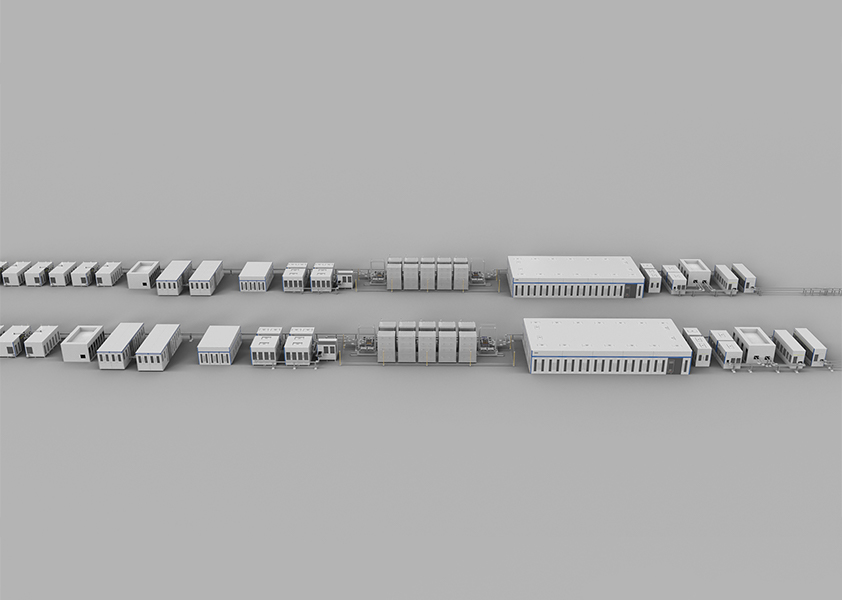
Problem statement: what breaks production and why data matters
Production stalls. Cells overheat. Packs show inconsistent cycle life. Those are the problems you fix with targeted data, not broad dashboards. Start by wiring process points into the control plane using battery manufacturing automation. That gives raw visibility where failures actually begin—joint weld quality, impedance drift, thermal spikes. This piece focuses on the specific faults that repeat on battery lines and the precise signals you need to catch them early.
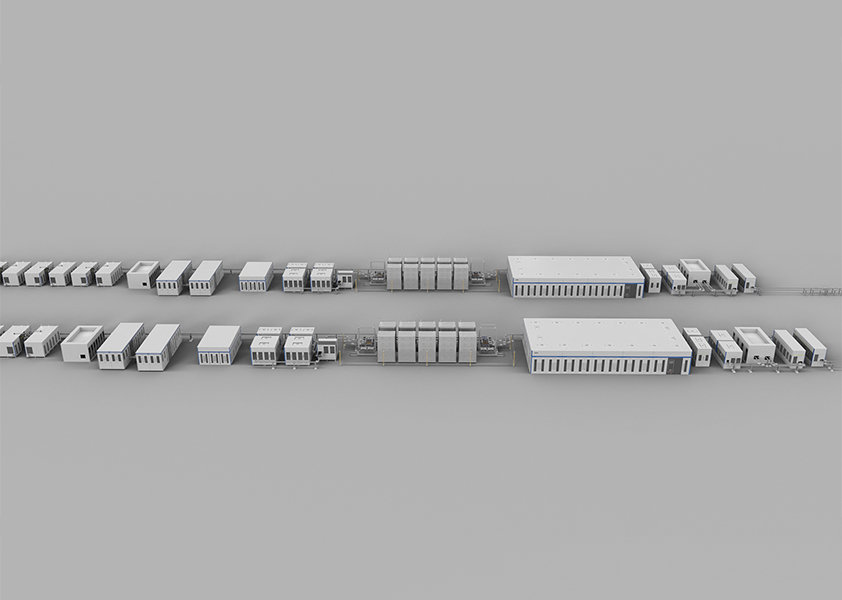
Which metrics to track first — prioritize by failure mode
Track only what correlates to repeatable faults. Prioritize like a mechanic troubleshooting a machine:- Electrical: cell voltage per cell, charge/discharge current, internal resistance (IR) trends.- Thermal: spot-therm at welds, pack surface temps, IR-camera scans of module batches.- Mechanical/process: ultrasonic weld force, dispenser volume per joint, torque on fasteners.- Quality/test: SOC spread after formation, leak-test pressure decay, post-assembly insulation resistance.- Traceability: component lot IDs, operator ID, time-stamped process recipe versions.Collect these at the cadence that reveals the fault: millisecond for weld events, seconds-to-minutes for thermal drift, batch-level for life-test outcomes.
Sensors and data sources — where to put your instruments
Place sensors where failure initiates. Practical layout:- On the spot-weld head: voltage drop waveform, force sensor, time-to-penetration.- At cell feeds: barcode scanner, vision check for polarity, pick-and-place needle pressure.- After assembly: contact resistance bench, leak test port, in-line thermal imaging station.Link these to the MES and test benches used for battery pack assembly validation so every pack has a digital twin of its build events. That makes root-cause queries concrete, not hypothetical.
Data architecture and frequency — sample rates and storage strategy
Design data layers for two use cases: real-time actions and forensic analysis.- Time-series store: high-frequency weld and current waveforms retained for short windows (hours to days) at full fidelity.- Aggregated store: per-unit summarized metrics (peak temp, IR at formation, cycle test result) retained indefinitely.- Traceability DB: join BOM, operator, recipe, and test results with a unique pack ID.Drop raw waveforms into rolling storage and keep derived features long-term. That lets alarms act fast while enabling life-cycle analytics.
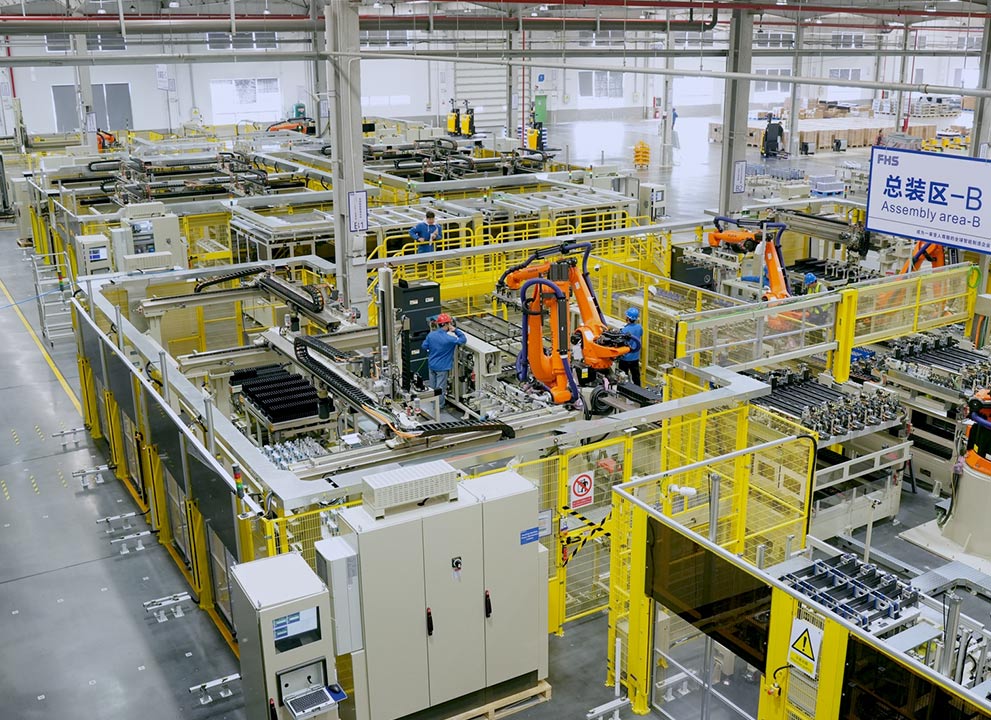
Alarms, thresholds, and what not to alarm on
Alarms must mean fix-now. Set them by failure consequence, not statistical deviation.- Fire-risk alarms: thermal ramp faster than X °C/s, cell vent pressure above threshold — immediate line stop.- Quality alarms: weld energy outside range, dispenser volume below low spec — remove unit for rework.Avoid noisy alarms: don’t alarm on small IR variance during formation unless it co-occurs with voltage sag. Correlate events across sensors before a human gets paged.
Common implementation mistakes and how to avoid them
Teams repeat the same errors. Fix them early.- Mistake: instrumenting everywhere at low priority. Fix: map fault modes and apply sensors where they reduce rework.- Mistake: storing only raw files with no indexed metadata. Fix: attach pack ID and timestamps at capture.- Mistake: thresholds based on single-operator tests. Fix: derive thresholds from production sample and then tighten with controlled experiments.- Mistake: ignoring human factors. Fix: log operator actions and enable quick visual cues at the line when data flags an issue.
Real-world anchor: one concrete example
At large-scale sites such as the Tesla Gigafactory in Nevada, teams combine high-frequency weld data with end-of-line insulation resistance to cut rework by detecting marginal welds that later cause thermal excursions. That model—localize sensing, correlate to final test, and iterate thresholds—scales to medium and small facilities with similar component flows.
Step-by-step checklist to get reliable monitoring running
Follow these steps in sequence:- Map failure modes and list required signals.- Select sensors and ensure timestamp sync across devices.- Instrument minimum viable points, tie data to pack IDs.- Implement short-term high-fidelity capture with aggregated long-term storage.- Build correlated alarms that require multi-sensor confirmation.- Run controlled production experiments to validate thresholds and adjust.This sequence prevents chasing noise and produces actionable alerts quickly.
Final synthesis
Focus on measurable failures, put sensors where faults start, and keep short-term fidelity with long-term summaries for analysis. Pragmatic steps and disciplined data architecture turn raw signals into repairable actions. That practical clarity is what teams need when they want dependable lines and predictable pack outcomes — the exact capability emphasized by FHS.
