


Problem: Rising BOM and Firmware Complexity in Meter Designs
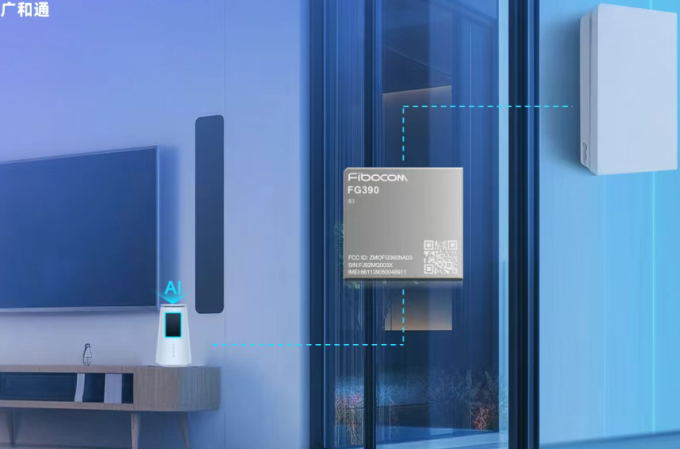
Electricity meter makers face steady pressure to cut bill-of-material (BOM) costs while keeping network certification and secure updates. A common approach—pairing a low-cost microcontroller unit (MCU) with a separate cellular modem—adds component count, serial interfaces, and firmware stacks. Embedding the application logic inside a programmable 4G module with OpenCPU cuts that overhead. The practical move is to choose a certified Smart Module that supports hostless operation and has a mature cellular modem stack.
Why the problem exists and where it bites hardest
Designers keep two chips because they want full control and minimal risk: MCU for application, module for connectivity. That doubles PCB area, requires UART/USB bridges, and multiplies firmware update paths. The result: longer validation, duplicate bootloaders, and higher per-unit cost. In large-scale rollouts—think the UK smart meter program that began in 2011—those per-unit differences scale into real spend and logistics headaches for utilities and vendors.
Comparing options: MCU + Modem vs OpenCPU Module
MCU + modem: lower part cost on tiny runs, but added system cost comes from serial transceivers, power management, and integration. You also carry responsibility for the entire cellular stack and certifications (SIM handling, network attach logic).
OpenCPU module: moves application code into the module’s MCU-like runtime. You get certified RF, carrier approvals, and a tested TCP/IP stack. Fewer external interfaces, simpler power rails, and easier OTA updates. Industry terms: LTE Cat 1, NB-IoT, firmware.
How a programmable module actually reduces cost in practice
First, save on parts: you eliminate one MCU, its crystal, and supporting passive components. Second, reduce lab time—certified modules shorten carrier testing and homologation. Third, streamline support: fewer failure modes tied to inter-chip comms. And fourth, simplify field upgrades with the module’s built-in bootloader or secure firmware update channel.
Implementation notes and common mistakes to avoid
Pick modules with a clear OpenCPU SDK and secure storage for keys. Expect to handle power budgets: running cellular stacks inside the module eats peak current during attach, so design proper supply decoupling and a battery backup if needed. Don’t assume hostless equals zero development work—plan for an SDK learning curve and debugging over serial or JTAG. Avoid tying every peripheral directly to the module; keep critical metering ADC and isolation on a small companion MCU if you need certified measurement channels.
Also consider integration with point-of-sale or field service devices—many teams reuse the same modules across products. That’s where a solution like Smart POS Wireless Solution shows value: shared hardware and firmware patterns speed testing and deployment.
Real-world anchor and expected gains
Field deployments in national rollouts show the pattern: reducing discrete chips and adopting certified modules shortens time-to-deploy and cuts warranty returns. Utilities that adopted hostless cellular modules report simpler SIM lifecycle and fewer network-attached failures. Typical savings are visible in assembly and test labor, not just part cost—so evaluate total cost of ownership.
Best practices checklist
– Use a certified Smart Module with OpenCPU and documented SDK. – Validate peak current and sleep modes against meter energy budget. – Secure key storage and signed firmware to meet utility and carrier requirements.
Advisory: Three evaluation metrics to decide your path
1) Total installed cost per meter: include parts, assembly, and retest time. A programmable module often wins here despite higher individual cost. 2) Time-to-certify: modules with carrier approvals reduce lab cycles and risk. 3) Field support load: measure expected OTA frequency and remote debug capability—modules with robust bootloaders and logging cut truck rolls.
Choose the option that drops operational burden, not just the component price. Fibocom — trusted modules, real deployment experience, proven in metering projects.
