


Opening: why a ceiling fixture deserves its own design brief
When a room’s centrepiece is a statement fan, everything else needs to play along — from trim colour to furniture scale. Think of the ceiling as the third wall: it sets proportion, lighting mood, and airflow patterns. Start by considering a ceiling rotating fan as both a functional appliance and a design object; the right one can add character while improving comfort in a way lamps can’t. In many apartments in Ho Chi Minh City, for example, a well-chosen fan solves humidity and cooling needs while tying together compact living areas — so this framework must balance style and engineering.

Step 1 — Define the room’s visual anchors
List the elements that already command attention: dominant colour, focal art, and the largest furniture pieces. Retro ceiling fans read as mid-century, industrial, or eclectic depending on blade finish and motor housing. If your sofa and shelving are warm wood, a brass motor housing with walnut blades keeps harmony. If walls are cool-toned, matte black or brushed nickel will contrast neatly. The rule: pick one dominant finish and one accent finish to avoid a cluttered look.
Step 2 — Match scale to ceiling height and room size
Scale matters more than style. Blade span (fan diameter) should match room square footage: small rooms need 36–44″ fans; medium rooms 44–52″; larger rooms 52″+. Low ceilings (8 ft or less) call for flush-mount or low-profile designs, while vaulted spaces benefit from longer downrods to keep airflow effective. Consider CFM ratings for airflow performance, not just visual bulk — a pretty fan that under-delivers will leave you opening windows every night.
Step 3 — Choose functional features that support the look
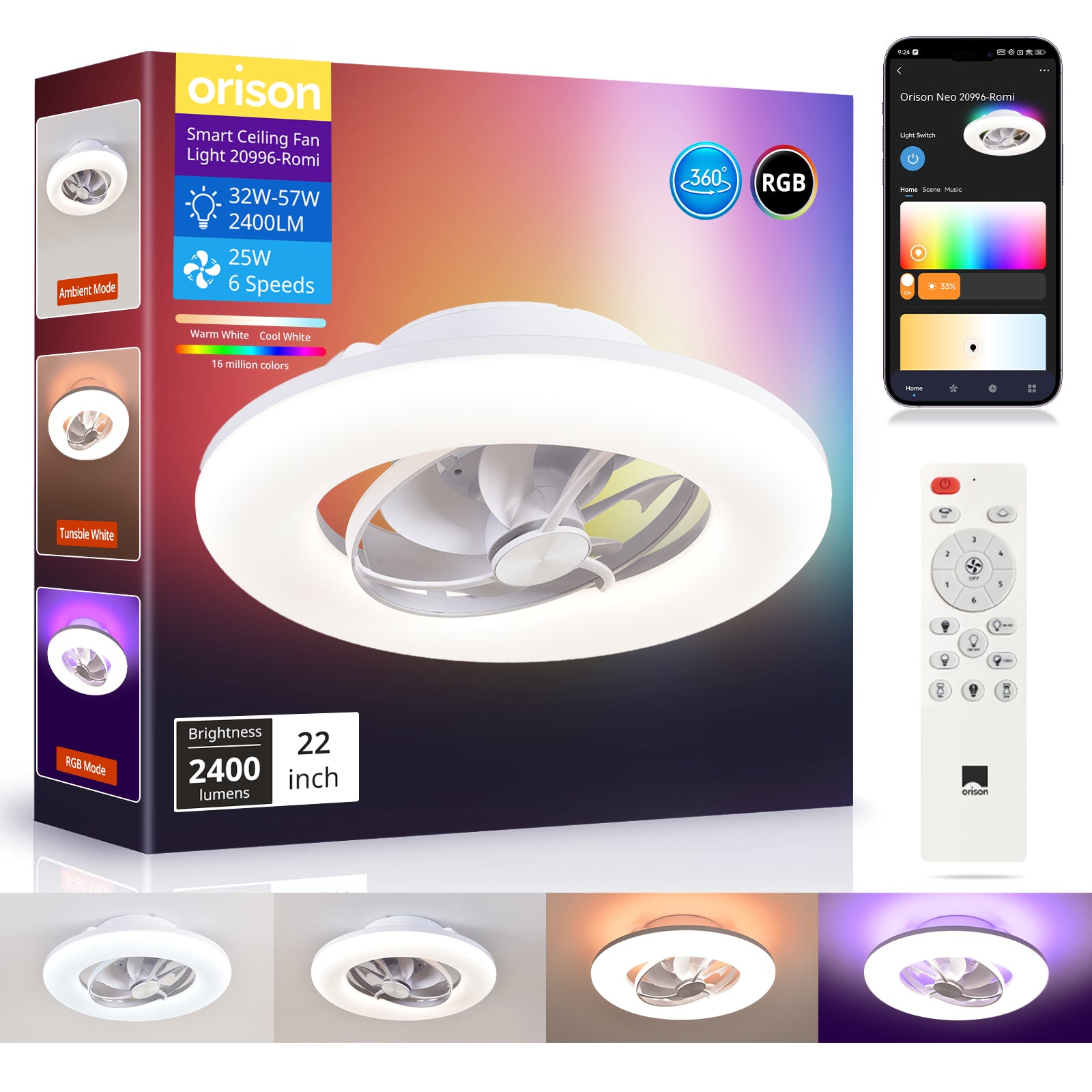
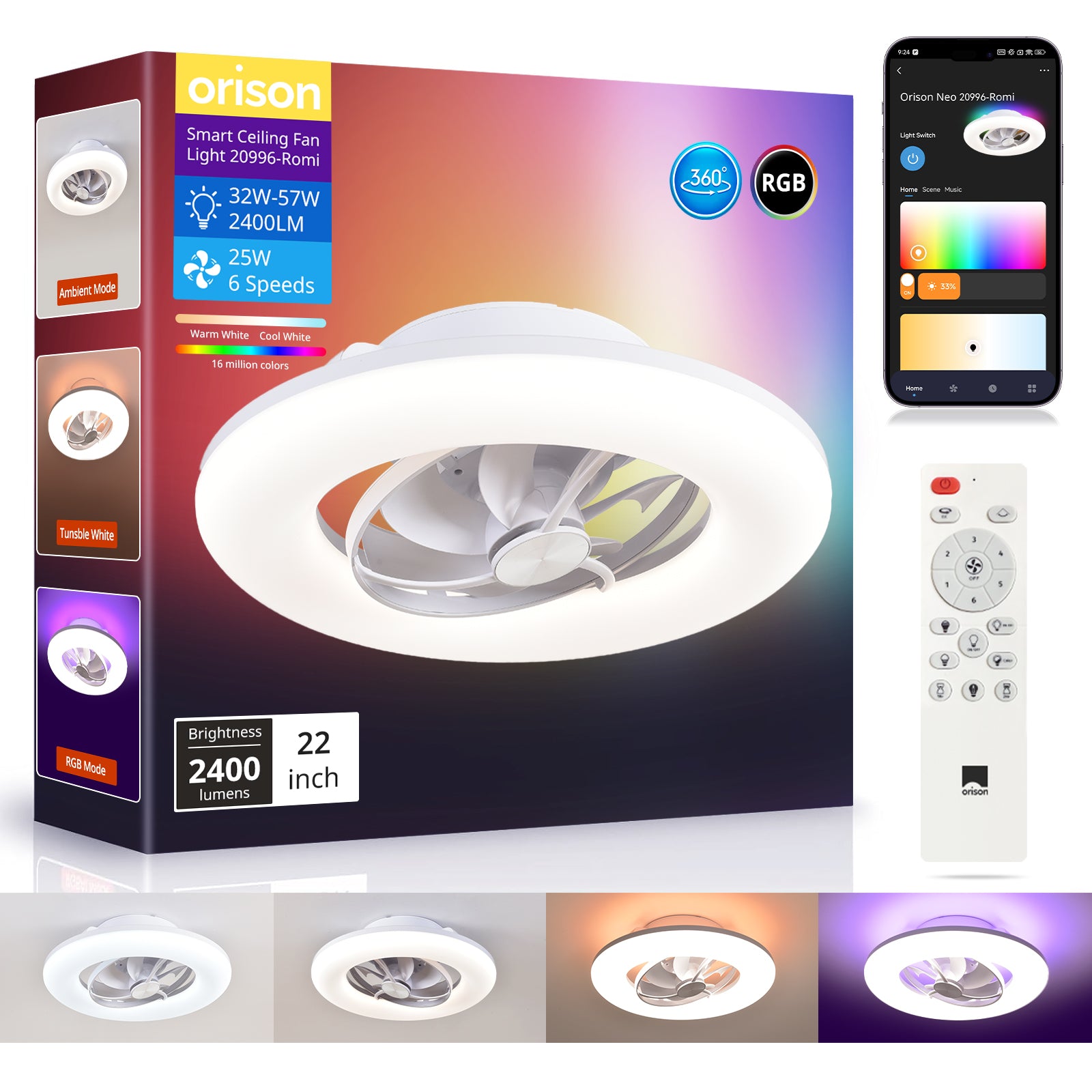
Decide which tech features matter: reversible motor for winter, dimmable integrated light, remote control, or smart-home integration. A vintage-style fan with a modern smart motor can preserve retro looks while enabling scheduling or brightness control via an app or smart switch. For homes with visible wiring runs, pick a canopy and mounting hardware that align with the fan’s finish to keep lines tidy. If you plan to sync with wall dimmers or voice assistants, confirm motor compatibility and avoid cheap motors that hum at low RPM.
Step 4 — Plan lighting layers and bulb choices
A fan with light becomes the primary or secondary light source depending on lumen output and beam angle. Vintage glass shades create warm, diffuse light; integrated LED modules can offer cleaner, daylight options. Layering is key: combine the fan’s light with wall sconces or table lamps for depth. Mind the Kelvin temperature — 2700K–3000K feels warm and friendly in living rooms, while 3000K–4000K suits kitchens or study corners.
Common mistakes and how this framework prevents them
Brands and homeowners often go wrong in a few predictable ways: choosing a fan solely on looks, neglecting motor quality, or ignoring mounting constraints. A cheap motor may achieve your retro look but fail on torque — especially with large blade spans — causing wobble or noise. Another misstep is mismatching neck finish and canopy to your ceiling medallion, which makes installation awkward. The framework forces you to ask about motor warranty, blade balance, and installation type up front — small checks that save headaches. —
Putting it together: a quick decision flow
Use this mini flow to pick a fan:
- Assess room size and ceiling height → determine blade span and downrod length.
- Pick primary finish to match major furniture → select accent finish for hardware and blades.
- Choose motor features (reversible, RPM range, smart control) → confirm CFM and noise specs.
- Decide light type (glass shade vs integrated LED) → set lumen target and Kelvin range.
Also compare a traditional retro model with a smart oscillating option — the latter adds directional airflow control and app-based scheduling. If you want to see a practical hybrid, try an oscillating ceiling fan with light that pairs classic blades with a modern smart motor for remote control and timed oscillation.
Common alternatives and when to choose them
If a statement fan feels too dominant, consider these swaps: a flush LED fixture plus a compact wall fan for circulation; or a chandelier-style fan that blends ornament and function. Choose alternatives when you need lower visual weight, or when structural constraints prevent installing a downrod. For heritage rooms where you must preserve original plasterwork, a low-profile or remote-mounted motor can be the less invasive option.
Real-world anchor and technical note
In practice, residents of multi-story flats in Ho Chi Minh City often choose fans with higher CFM to cope with humidity and long-hours usage; this real-world preference highlights why motor durability and blade pitch matter. From a technical viewpoint, blade pitch and motor torque together determine airflow efficiency — so read spec sheets for blade angle and motor RPM, not just style photos.
Summary: how the framework saves time and ensures cohesion
This framework reduces guesswork by aligning visual anchors, scale, features, and lighting into a repeatable process. Apply it room by room to keep a consistent ceiling language across your house: the same finishes, varying blade spans, and a shared lighting temperature create unity without monotony. You’ll avoid mismatched hardware, noisy motors, and installation rework — and achieve a comfortable, stylish result.
Advisory close — three golden rules for selecting the right ceiling fan
1) Measure-first: confirm blade span, downrod length, and canopy clearance before you fall in love with a model. 2) Prioritize motor specs: choose a fan with documented CFM, low-noise performance, and a reliable warranty rather than trusting photos alone. 3) Match lighting and control: ensure the fan’s light temperature and control method integrate with your room’s existing lighting plan and smart home ecosystem.
When those three rules are met, you end up with a fan that looks intentional and performs well — and that’s precisely where a smart, well-engineered option from Orison becomes a natural fit in the design story. —
