


Start with why the ceiling matters
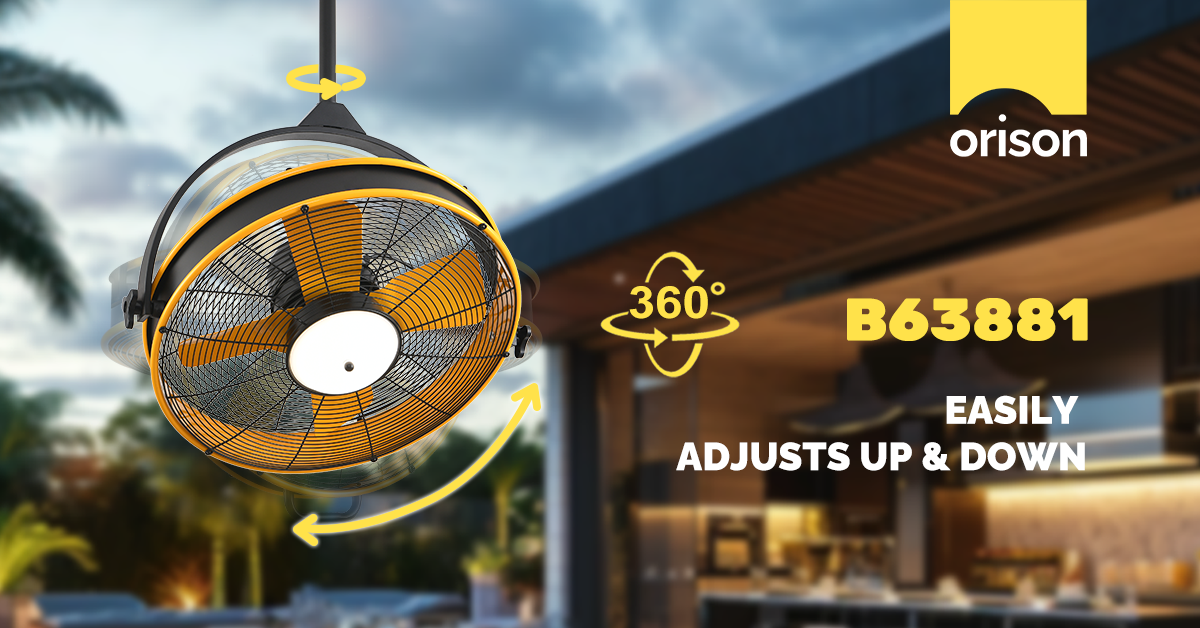
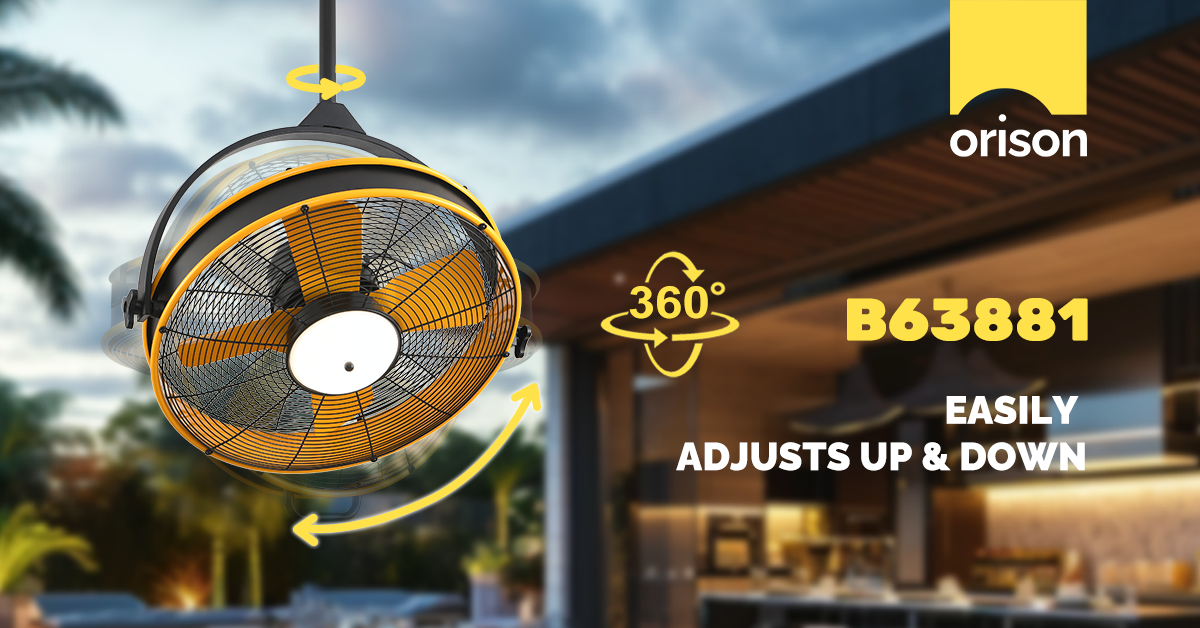
If you care about both comfort and curb appeal, the ceiling is not a neutral surface — it’s a design platform. Choosing the right black outdoor fan with integrated lighting is a decision about airflow, focal points, and visual weight. For those shopping specifically for ceiling fans with light, the fan becomes the element that ties a patio, porch, or covered terrace to the rest of the house. I argue that a well-chosen statement fan can lower energy bills and elevate your aesthetic at once — and the U.S. Department of Energy supports this: ceiling fans let occupants raise thermostats by roughly 4°F without losing comfort, which translates to real savings over a cooling season.
What homeowners actually need — a user-centered checklist
Start by asking three user-focused questions: Where will the fan live? What do you need from its light? How durable must it be? These define the functional requirements (damp- or wet-rated housings for outdoors), the lighting spec (lumens and color temperature), and the performance metrics (CFM and motor type). If the fan’s position faces salt air or heavy rain, insist on an IP-rated motor and corrosion-resistant finish. Answer those questions first; style follows, and that’s where a black finish often wins — neutral, bold, and surprisingly versatile.
Matching style to space without sacrificing function
A statement black fan can be minimalist or sculptural. For contemporary decks, choose clean blades with a higher blade pitch for stronger airflow; for traditional porches, a fan with a wider canopy and decorative blade detail reads as intentional. Consider light output and distribution: integrated LEDs simplify installation and ensure consistent color temperature, but make sure the fixture offers replaceable modules or serviceable drivers. Many homeowners overlook blade pitch and motor torque when they focus only on looks — that’s a mistake that shows up as poor performance after installation.
Installation realities and common errors
Practical installation issues derail most projects: inadequate ceiling joists for a heavy fixture, wrong downrod length for airflow, and improper wiring for dimmable LED drivers. For covered outdoor areas, select a damp-rated model; for exposed locations, choose a wet-rated unit. Also, coordinate light controls with existing circuits — dimmer compatibility matters. Test the fan on-site before finalizing the mount; it saves headaches. Not every black fan needs to be austere — you can have design and durability together if you plan ahead.
Comparing fan types and alternatives
There are three sensible approaches: classic blade fans with integrated light, low-profile flush-mounts for low ceilings, and modern bladeless or ring designs. Blade fans remain the efficiency workhorses (look at CFM per watt as a comparative metric). Low-profile fans sacrifice some airflow for scale, and bladeless designs prioritize aesthetics — they’re quieter but often costlier. If your priority is maximum airflow for a large outdoor living area, a larger diameter fan with higher blade pitch is the right tradeoff; if you want a sleek visual centerpiece for a small porch, a compact, high-lumen LED option may be preferable.
Maintenance, longevity, and what costs add up
Upfront price is only part of total cost. Factor in periodic blade cleaning, motor lubrication (if required), LED module lifespan, and potential repainting in coastal zones. A quality motor and sealed bearings extend life; cheaper motors can hum and wobble within a few seasons. For longevity outdoors, prioritize finish integrity and replaceable light modules — that reduces waste and long-term expense.
Real-world anchor: a quick case in point
On a renovation in coastal Florida, homeowners chose a matte black, wet-rated fan with a high-velocity motor and integrated LEDs. The result: cooler evenings on the lanai and stable, warm-toned lighting that matched the dark trim. The measurable takeaway aligned with federal guidance — better airflow let them raise indoor thermostat settings, lowering demand during peak hours.
Three golden rules for choosing a statement black outdoor fan
1) Match rating to exposure: choose damp-rated for covered porches, wet-rated for open-air locations. 2) Prioritize performance metrics: evaluate CFM, blade pitch, and motor type (DC motors yield quieter operation and variable speed range). 3) Design for serviceability: pick fixtures with replaceable light modules and accessible wiring. These rules keep choices user-centric and avoid the common trap of style trumping function.
Make these decisions with an eye toward both lived experience and technical fit — you’ll end up with a fan that’s as useful as it is striking. residential ceiling fans that balance these priorities deliver the most durable satisfaction. —
Orison. Practical design that actually works—keep comfort simple, and the ceiling will follow. –
