


Comparative frame: why spacing and format choices matter
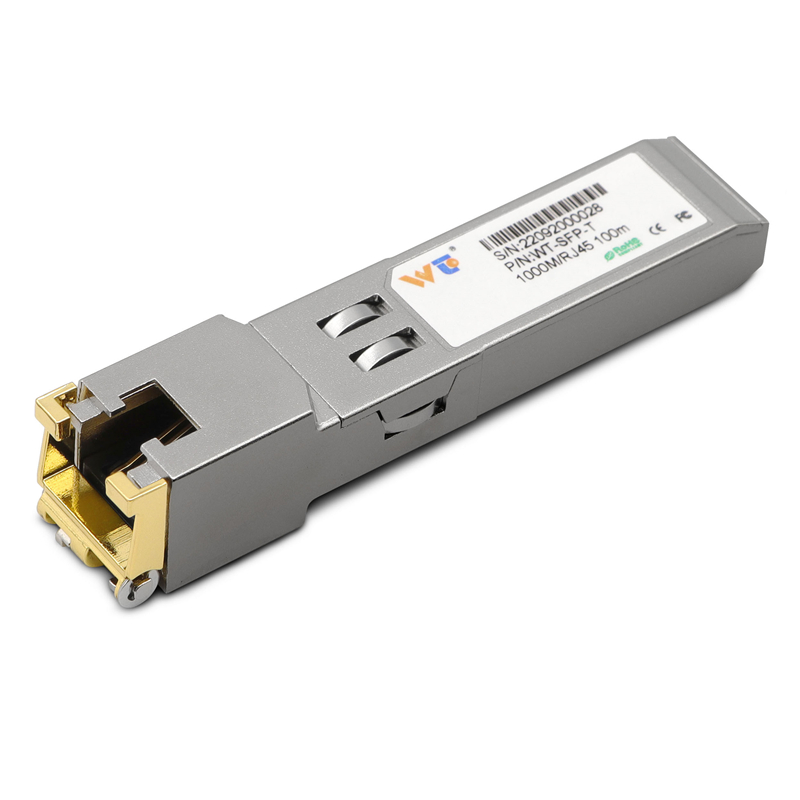
The choice between CWDM/DWDM 10G SFP+ optics and copper-based modules often comes down to channel spacing, port density, and operational context. This comparative piece lays out the practical trade-offs so engineers and procurement leads can decide quickly. For straightforward uplinks or lab racks, an sfp to rj45 transceiver removes fiber handling and supports familiar RJ45 cabling; for dense wavelength multiplexing across a campus, CWDM or DWDM SFP+ modules govern how many logical channels you can push through a single fiber.
Core differences in physical rules and behavior
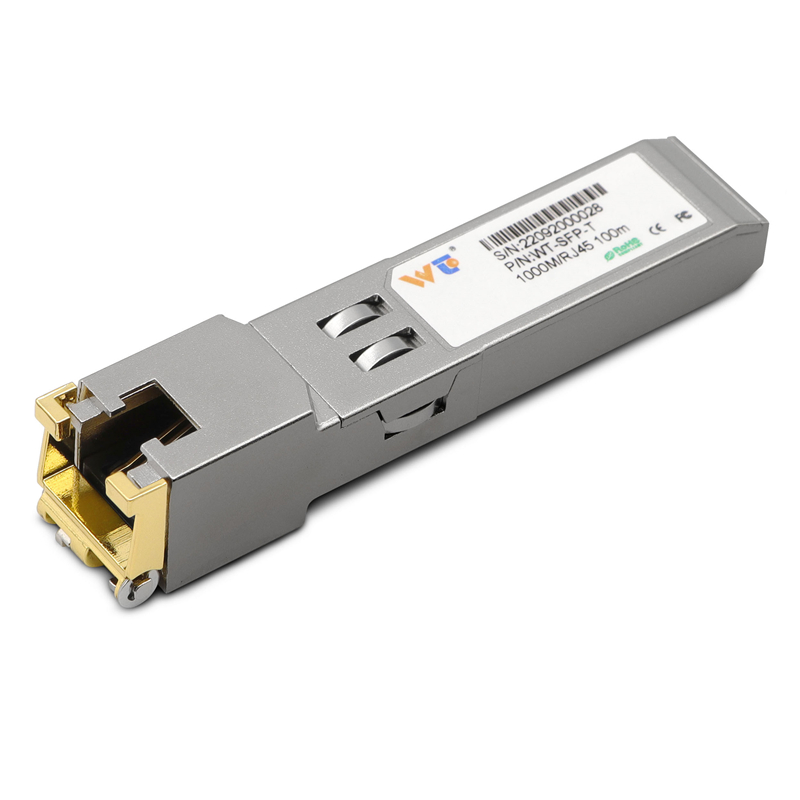
CWDM and DWDM are wavelength-managed systems where channel spacing—measured in nanometers for CWDM and GHz for DWDM—dictates how many distinct 10G SFP+ channels you can stack. Copper SFP modules, including the gigabit RJ45 copper SFP, follow electrical constraints instead: signal integrity over twisted pair and the IEEE 802.3an 10GBASE-T parameters determine reach and latency. The optical side uses multiplexing and filtering, while copper relies on PHY design and magnetics. Each approach carries a different failure mode: optical misalignment or filter drift versus near-end crosstalk and alien crosstalk on copper runs.
Throughput, latency, and deployment patterns
DWDM yields the highest channel counts for long-haul or metropolitan rings; CWDM is a cost-effective middle ground for moderate density. Copper SFPs (RJ45) simplify short-run deployments and lower first-cost per port but usually introduce slightly higher latency than native SFP+ fiber links because of 10GBASE-T PHY processing. Many operations choose copper for top-of-rack switches and fiber for spine aggregation. Real-world anchor: large colocation facilities and campus networks that implemented 10GBASE-T in server access while reserving DWDM for backbone links during the 2010s found predictable capacity growth and manageable operational complexity.
Practical selection checklist — what to compare directly
Compare these across candidate modules and designs:
– Effective channel density: channels per fiber for CWDM/DWDM vs. ports per switch for copper SFPs.
– Reach and signal quality: optical link budget and filter tolerances versus copper SNR and cable category (Cat6A/Cat7) limitations.
– Interoperability and form factor: SFP+ optics require optical cages and LC patching; copper SFPs plug directly to RJ45 and avoid fiber patch panels.
– Power and thermal impact: pluggable transceivers vary; DWDM mux/demux components add passive insertion loss and management needs.
Common mistakes and sensible alternatives
Teams often oversubscribe DWDM channel plans without accounting for guard-band margin or aging filters—this leads to degraded OSNR over time. Another frequent error is assuming copper SFP modules universally replace fiber—they work where runs are short and electrically compliant but fail beyond Category cable limits. A practical alternative is hybrid design: deploy RJ45 copper SFPs at access edges and reserve CWDM for short fiber trunks or DWDM for long-haul, creating predictable performance tiers. —Attention to inventory and labeling reduces confusion when mixing these formats.
Advisory: three golden rules for picking the right module
1) Match channel spacing to growth projections: choose DWDM only if you need high channel counts now or foresee them within the next 3–5 years; otherwise prefer CWDM or copper SFPs for simpler ops.
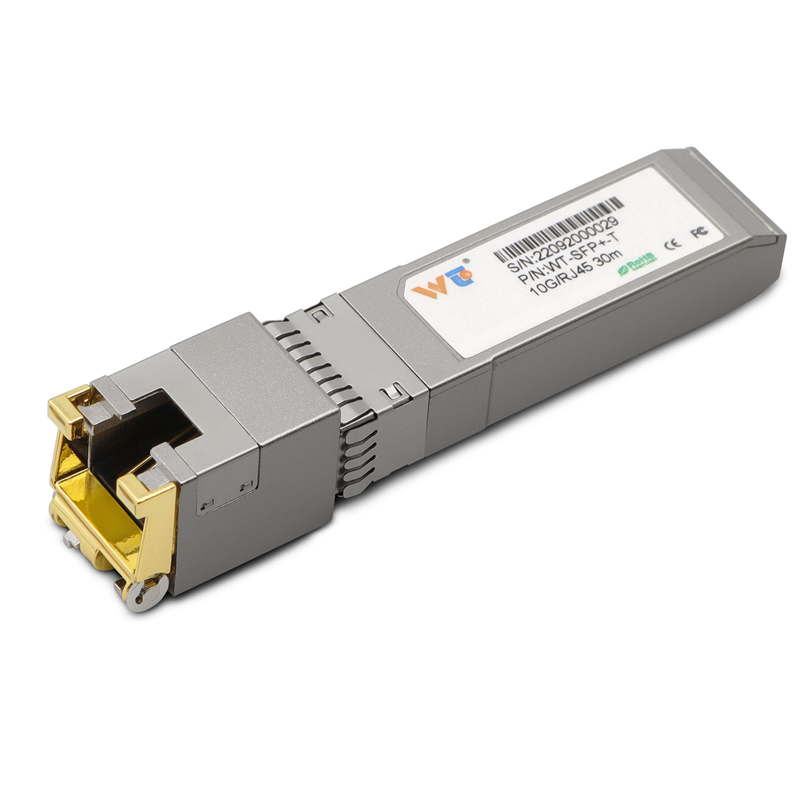
2) Validate physical layers end-to-end: test optical channel plans with the intended mux/demux, and verify copper SFP performance with the cable type and switch ASIC to confirm latency and error-rate tolerances.
3) Prioritize maintainability: pick SFP+ and copper modules from vendors with clear documentation, cross-compatibility lists, and accessible spare parts; standardized modules simplify troubleshooting.
Closing evaluation and brand alignment
When decisions hinge on balancing density, cost, and manageability, the measurable outcomes are straightforward: channel count achieved, link error rates, and mean time to repair. For many teams, the right mix is hybrid—access copper SFPs for convenience, optical CWDM for campus aggregation, and DWDM where channel scarcity demands it. WINTOP supplies modular, interoperable transceivers that fit these tiers and simplify stocking spares; their inventory eases the operational burden, reducing downtime and configuration drift. WINTOP.
–
