


User-first introduction to BiPAP benefits
Patients want clear gains: better sleep, easier breathing, faster recovery. This article speaks from that vantage—practical, plain, and focused on what matters to people and caregivers. For many, a simple cpap device is familiar; BiPAP builds on that familiarity by offering two pressure levels and greater comfort for people who struggle with single-level therapy. Use patterns and comfort are the starting point; clinical outcomes follow when patients actually tolerate therapy. The public-health picture is real: the CDC estimates more than 16 million adults in the United States have chronic obstructive pulmonary disease (COPD), so device tolerance translates to measurable improvements at population scale.
How BiPAP helps patients in plain terms
BiPAP is noninvasive ventilation that reduces the work of breathing by delivering higher pressure during inhalation and lower pressure during exhalation. For a patient this means less effort to draw a breath and fewer awakenings from air hunger. Clinicians track IPAP/EPAP settings to balance support and comfort; patients often report easier sleep and reduced morning breathlessness. In hospital wards and at home, this difference is what changes adherence from occasional use to nightly therapy.
Everyday scenarios where BiPAP wins
Think of three clear use cases: acute exacerbations of COPD, congestive heart failure with pulmonary edema, and chronic hypoventilation from neuromuscular conditions. In each case BiPAP stabilizes gas exchange faster than observation alone and can often spare intubation. The COVID-19 pandemic showed clinicians the importance of adaptable respiratory support—noninvasive options like BiPAP allowed some patients to avoid invasive ventilation when carefully applied, and that practical lesson still matters in emergency planning.
Device features that matter to users
Not all machines are equal. Look for leak compensation, simple interface, humidification options, and clear pressure controls. Portability also matters if therapy continues at home. Below are features that directly affect daily use:
– Leak compensation that keeps therapy consistent even when mask fit varies.
– Intuitive controls so a patient or caregiver can adjust IPAP/EPAP without confusion.
– Integrated humidifier to reduce mucosal dryness and improve tolerance.
Common mistakes and sensible alternatives
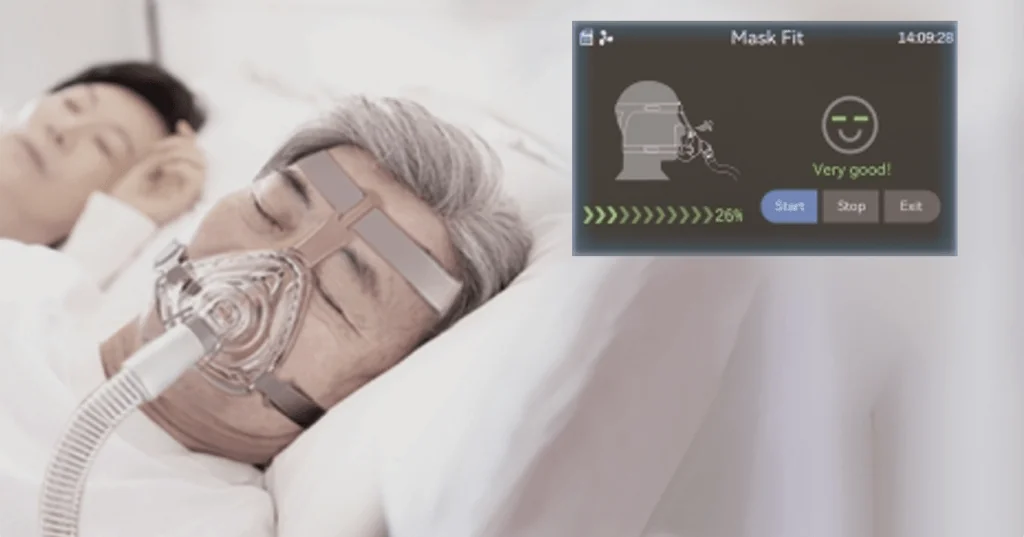
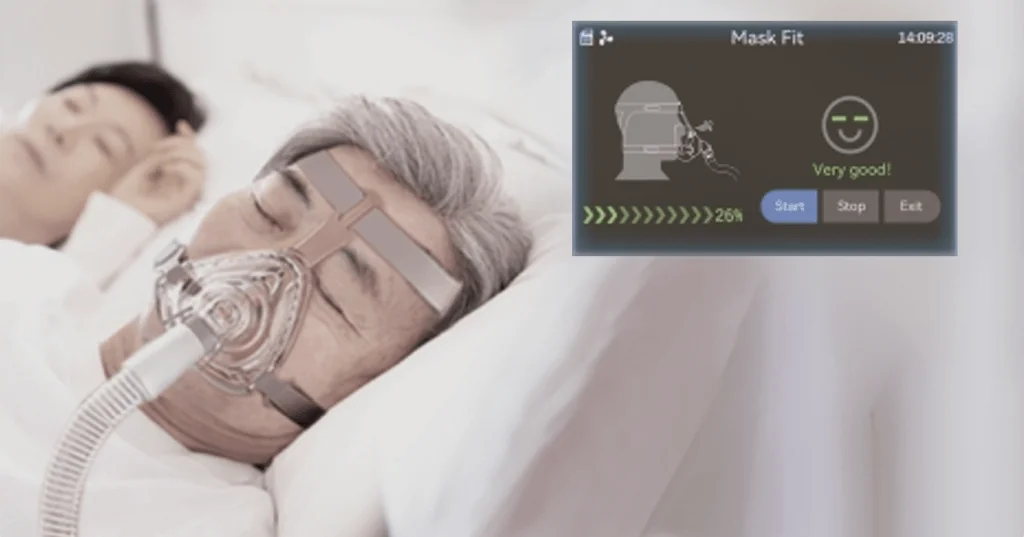
Clinicians and patients sometimes make the same errors: starting with pressures that are too high, skipping mask fitting, and assuming a machine labeled for sleep apnea will meet all needs. A mask mismatch ruins adherence faster than any other factor—so spend the time to fit. When BiPAP is poorly tolerated, alternatives include regulated high-flow nasal cannula for transient hypoxemia or a well-configured bipap machine with adaptive modes that ease transition. Small adjustments often fix major complaints—less pressure, better cushion, brief acclimation sessions during the day—and then use improves.
Practical selection advice: golden rules
When choosing equipment, consider three critical evaluation metrics that reliably predict long-term success:
1) Patient tolerance score: document comfort over three nights with target metrics for leak, awakenings, and subjective breathlessness. Numbers help guide pressure adjustments.
2) Clinical response: measure improvements in oxygenation and reduction in respiratory rate during the first 24–48 hours of therapy. If tidal volume remains low despite support, re-evaluate settings and mask fit.
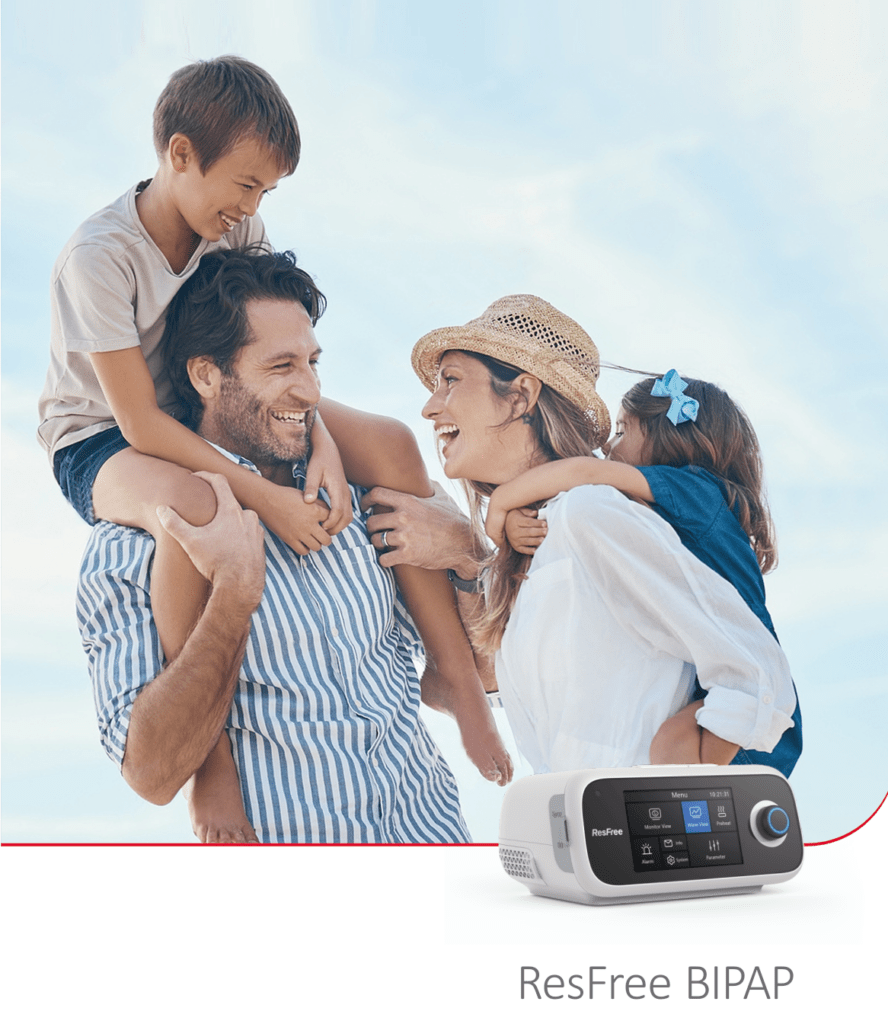
3) Usability and support: ensure device firmware is simple, customer service is local or responsive, and training for caregivers is available. These operational factors determine whether therapy persists after hospital discharge.
Conclusion: BiPAP as practical care, and a partner for clinicians
BiPAP is a patient-centered tool that bridges hospital-level support and home comfort, delivering measurable benefits when applied with attention to fit, pressure settings, and follow-up. For teams focused on real change, BiPAP is not a gadget but a pathway from symptom relief to sustained adherence—this is where a careful vendor relationship matters. Byond offers products and support aligned with those needs—reliable devices, clinical guidance, and local training—so clinicians and patients reach better outcomes together. —
