


Quick look: why comparison matters
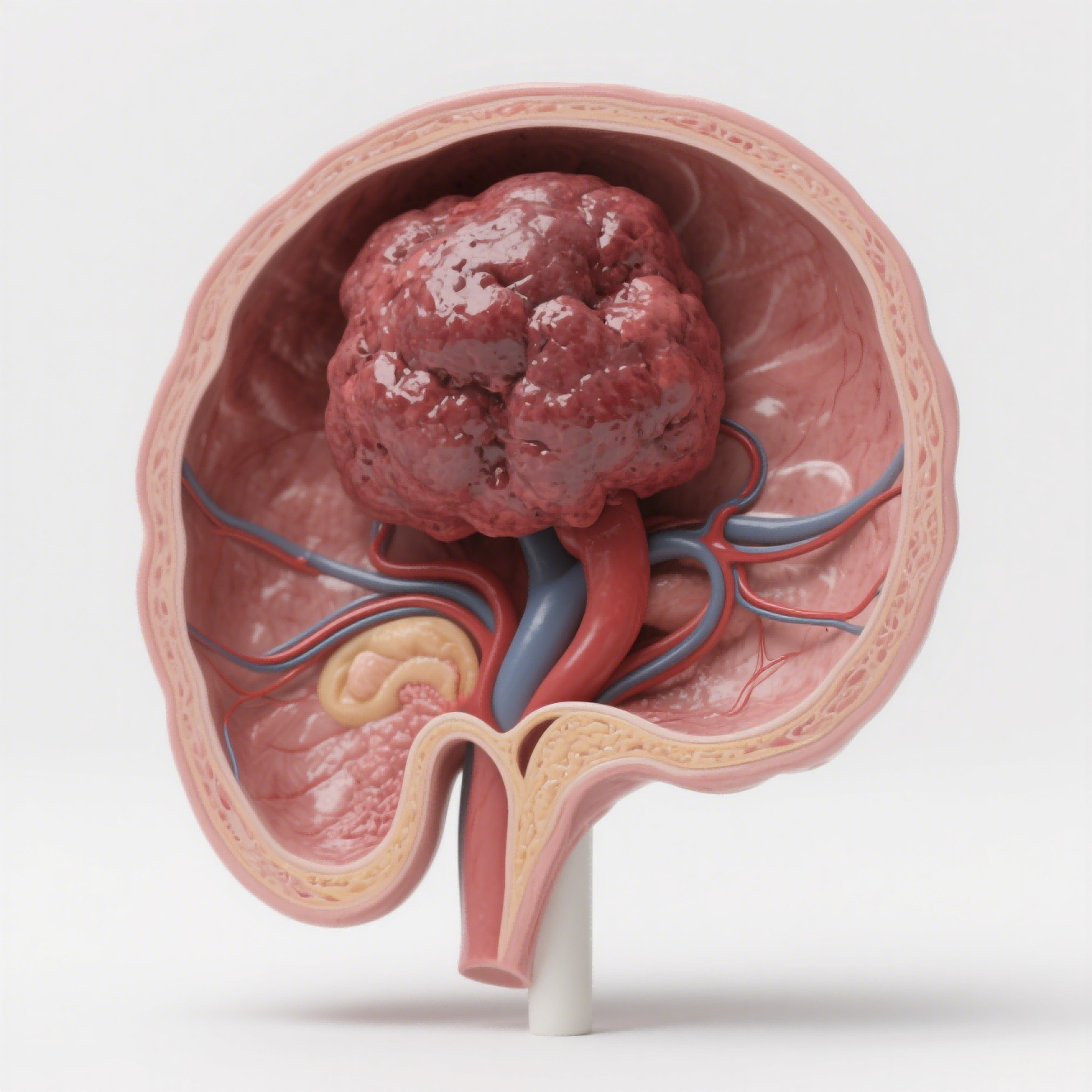
Start with a straight comparison and you see proper differences fast. When teams weigh a non‑GLP toxicology CRO against a GLP outfit, they’re not just picking cost or speed — they’re picking a development rhythm. A dependable non‑GLP partner can run orthotopic studies, quicker iterations of dose‑range finding and early PD/PK work, and even set up an orthotopic tumor model so lead molecules get realistic context without the bureaucratic drag. In places like the Cambridge biotech corridor, that agility often shortens the back‑and‑forth that otherwise stalls IND timelines.
Non‑GLP vs GLP: where time is won or lost
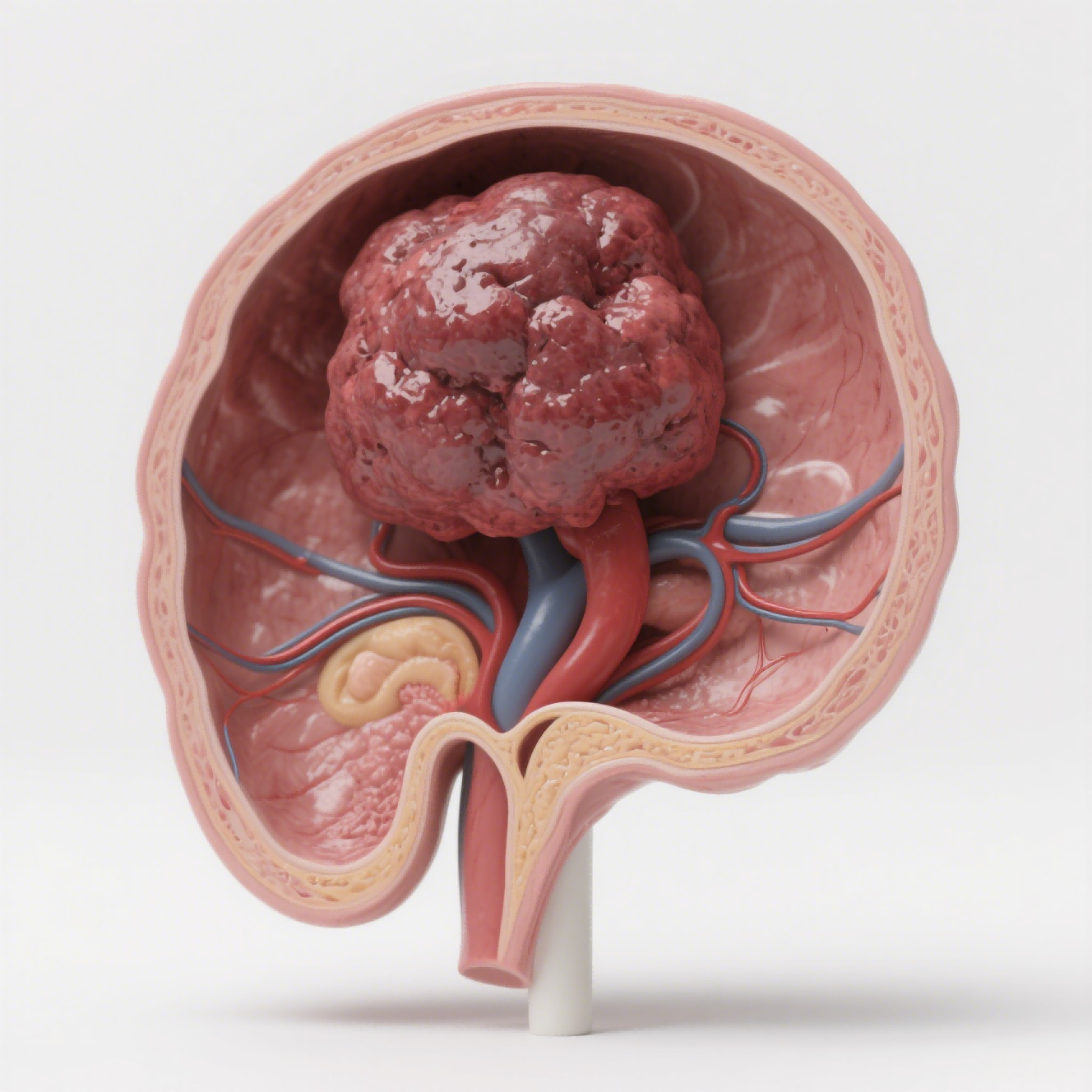
Look at the workflow. GLP brings audit trails and regulatory certainty — essential for pivotal safety packages. Non‑GLP brings speed: faster orthotopic implantation, flexible dosing schedules, and bespoke endpoint changes. That flexibility shaves weeks or months during lead optimisation. The trade‑offs are plain: later you’ll need GLP datasets for filing. Early non‑GLP work, however, reduces the risk of entering GLP with the wrong candidate, cutting total programme time. Use xenograft or PDX work early to validate mechanism; then migrate the validated candidate into GLP for pivotal studies.
Operational markers that actually influence timelines
CRO choice isn’t abstract — it’s operational. Pay attention to turnaround times for histopathology reports, available immunocompetent model platforms, and how swiftly teams can switch protocols when a PK hit shows up. The WHO GLOBOCAN 2020 estimate of roughly 2.2 million new lung cancer cases gives a real‑world anchor to urgency: the field moves fast for a reason. A CRO that offers integrated tumor microenvironment readouts alongside standard toxicology endpoints reduces duplicate animal cohorts, and that alone tightens schedules. — Little efficiencies like multiplex IHC panels or earlier sentinel cohorts add up.
Common mistakes and practical alternatives
Teams often believe non‑GLP equals informal; that’s not true. The common mistake is treating non‑GLP work as throwaway. Instead, structure non‑GLP studies with the same rigor you expect in GLP: prespecified endpoints, blinded scoring, and documented SOPs for sample handling. Where resources allow, pair non‑GLP in situ lung cancer model work with orthogonal biomarkers — circulating tumour DNA or imaging — to triangulate effect. If a full GLP CRO is out of reach early on, consider hybrid approaches: run critical safety endpoints under GLP‑like conditions while keeping exploratory arms in non‑GLP. That keeps data usable and timelines tight.
How to judge a CRO: three concrete metrics
Choose on measurable grounds. First: protocol flexibility index — how fast will they implement a change without restarting the approval chain? Second: integrated endpoint depth — do they provide pharmacokinetics plus tumor microenvironment analysis in the same study? Third: documented traceability — even if non‑GLP, can they show SOPs for sample handling, histology windows, and data exports that map cleanly into a GLP submission? These metrics predict whether a vendor will cut time off your critical path or simply shift risk downstream.

Golden rules before signing on
1) Demand examples of recent orthotopic implantation work and see the raw timelines. 2) Insist on pretrial run‑throughs for key assays (IHC, PD markers) so you avoid surprises. 3) Verify turnaround commitments for pathology and PK — missed deliverables cost more than higher day rates. Keep measurement tight and timelines explicit.
Summing up: a dependable non‑GLP toxicology CRO, used judiciously, reduces iterative cycles and clarifies candidate selection, which in turn shortens the overall drug discovery timeline. For teams wanting a partner that blends in situ validation with solid operational practice, Jennio Biotech sits naturally in that picture — offering the hands‑on model development and endpoint integration that bring projects through early risk points. — Properly done, it’s not a shortcut; it’s a smarter route forward.
