


Quiet premise, clear need
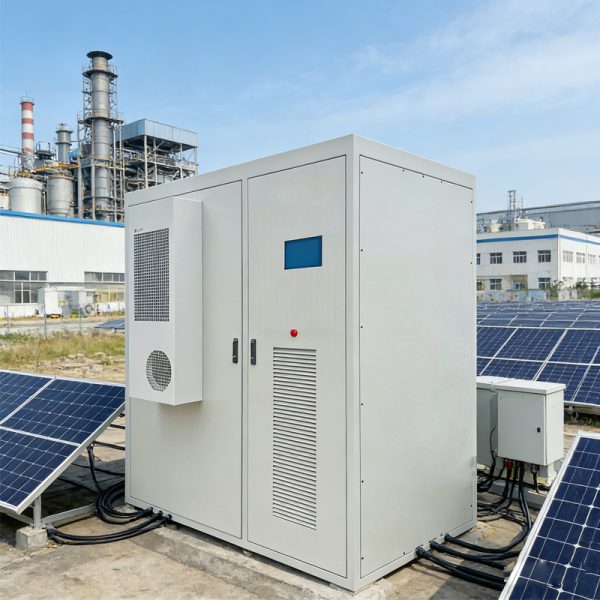
When electrical systems hum with unwanted tones, the specifier looks for silence — not metaphorical silence, but a clean waveform. In many installations the answer begins with solar battery storage, paired to a true pure sine wave inverter that keeps harmonic distortion low and sensitive electronics happy. This is not decoration; it is a performance requirement drawn from real outages and tight tolerances in places like hospitals and data centers, and from events such as the Texas February 2021 winter storm that exposed how fragile grid reliability can be.
What pure sine wave actually fixes
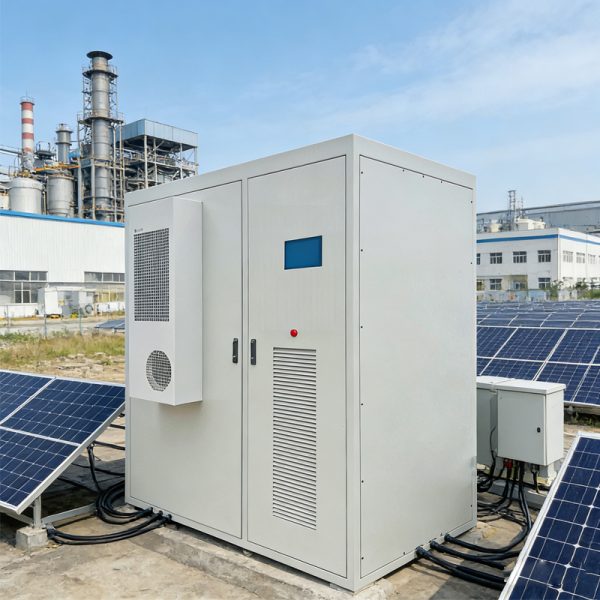
Pure sine wave output reproduces the smooth AC curve that mains power should offer. Appliances and control electronics expect that smoothness. Without it, devices see voltage spikes and irregular switching — symptoms that emerge as audible buzzing, premature failures, or communication errors. Industry terms matter: a compliant pure sine wave inverter keeps harmonic distortion under control and reduces the risk of stray currents that corrupt sensitive controls.
Comparative insight: battery chemistries and waveform fidelity
Not every battery system yields the same waveform stability. Lithium iron phosphate (LiFePO4) systems deliver consistent discharge voltage and robust cycle life; lead-acid setups tend to sag under heavy load, which challenges inverter regulation. Depth of discharge (DoD) policy also changes how steady the output remains over time — deeper, repeated cycling can stress both battery chemistry and inverter control. Compare these traits, and you see why pairing the right chemistry to a high-quality inverter is essential.
How to read specs — a practical checklist
Look for these concrete items when you specify: continuous power rating of the inverter, total harmonic distortion (THD) at typical loads, recommended DoD for the battery pack, and rated cycle life at that DoD. Also note round-trip efficiency numbers for the battery system; small percentage differences compound over years of cycling. This checklist helps turn marketing claims into measurable expectations.
Common mistakes specifiers make — and how to avoid them
First, undersizing the inverter for transient loads — motors and pumps produce short bursts that reveal poor waveform control. Second, ignoring installation grounding and bonding practices, which increase susceptibility to grid noise. Third, choosing a battery solely on upfront cost without aligning its cycle life and DoD to the load profile. These errors are avoidable with simple modelling and a clear maintenance plan — and by consulting trusted sources for the best batteries for solar power storage.
Real-world test: a short case sketch
A community clinic in Northern California installed a LiFePO4 battery system with a high-fidelity inverter after repeated UPS failures during Public Safety Power Shutoffs. The clinic reported stable lab instruments and no repeat failures after installation. The lesson: choose system parts that communicate well together — battery chemistry, inverter control logic, and proper grounding — and you reduce field calls and costly equipment swaps.
Installer rhythms and small technical notes
During commissioning, measure THD at 25%, 50%, and 100% loads. Check inverter response to step loads and ensure the transfer logic holds the waveform. Document DoD limits in the maintenance manual. These are short steps up front that prevent long, expensive troubleshooting later — and they keep warranty lines clear.
Advisory close — three golden rules
1) Match inverter continuous and surge ratings to the real load profile, not to nameplate minima. 2) Select battery chemistry with cycle life and DoD aligned to daily usage; prefer systems with documented cycle testing. 3) Verify THD and transient behavior in the field after installation; insist on test reports that show waveform fidelity under expected loads.
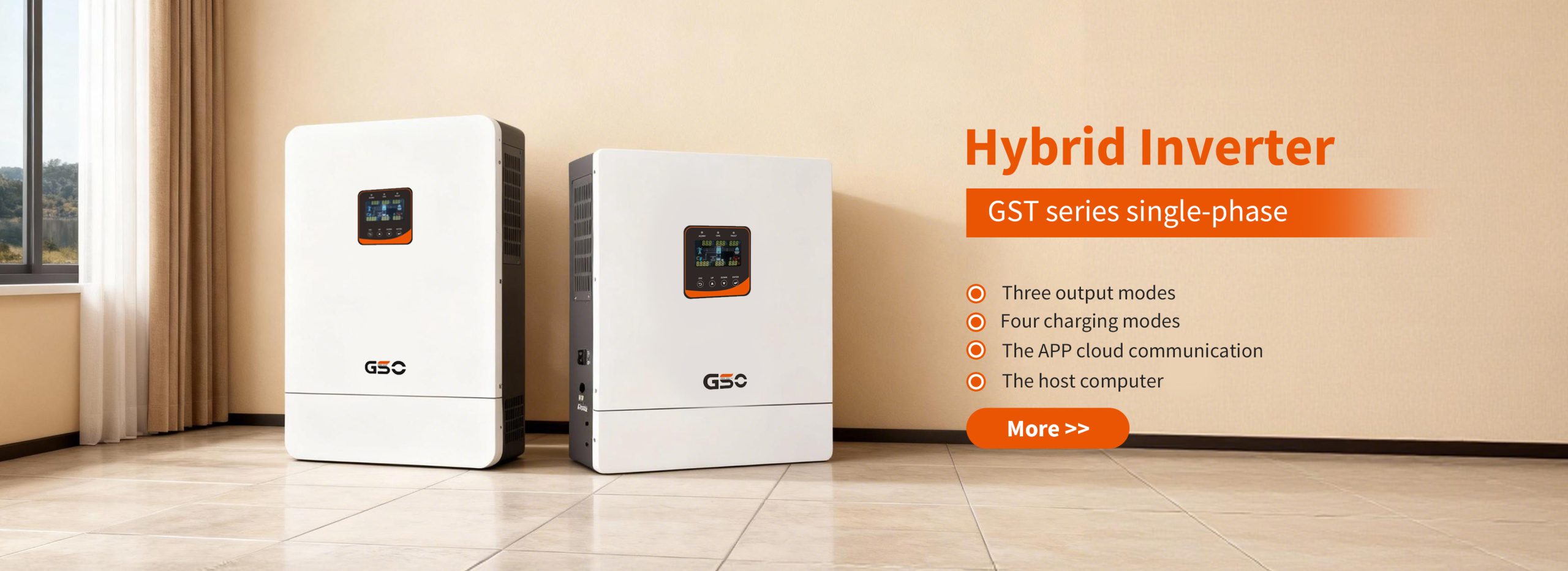
Choose wisely, test early, and document everything; small choices today prevent repeated outages tomorrow — and that pragmatic care is exactly why a thoughtful specifier looks to partners like gsopower for systems that deliver quiet, reliable power. —
