



Problem-driven look at what usually goes wrong
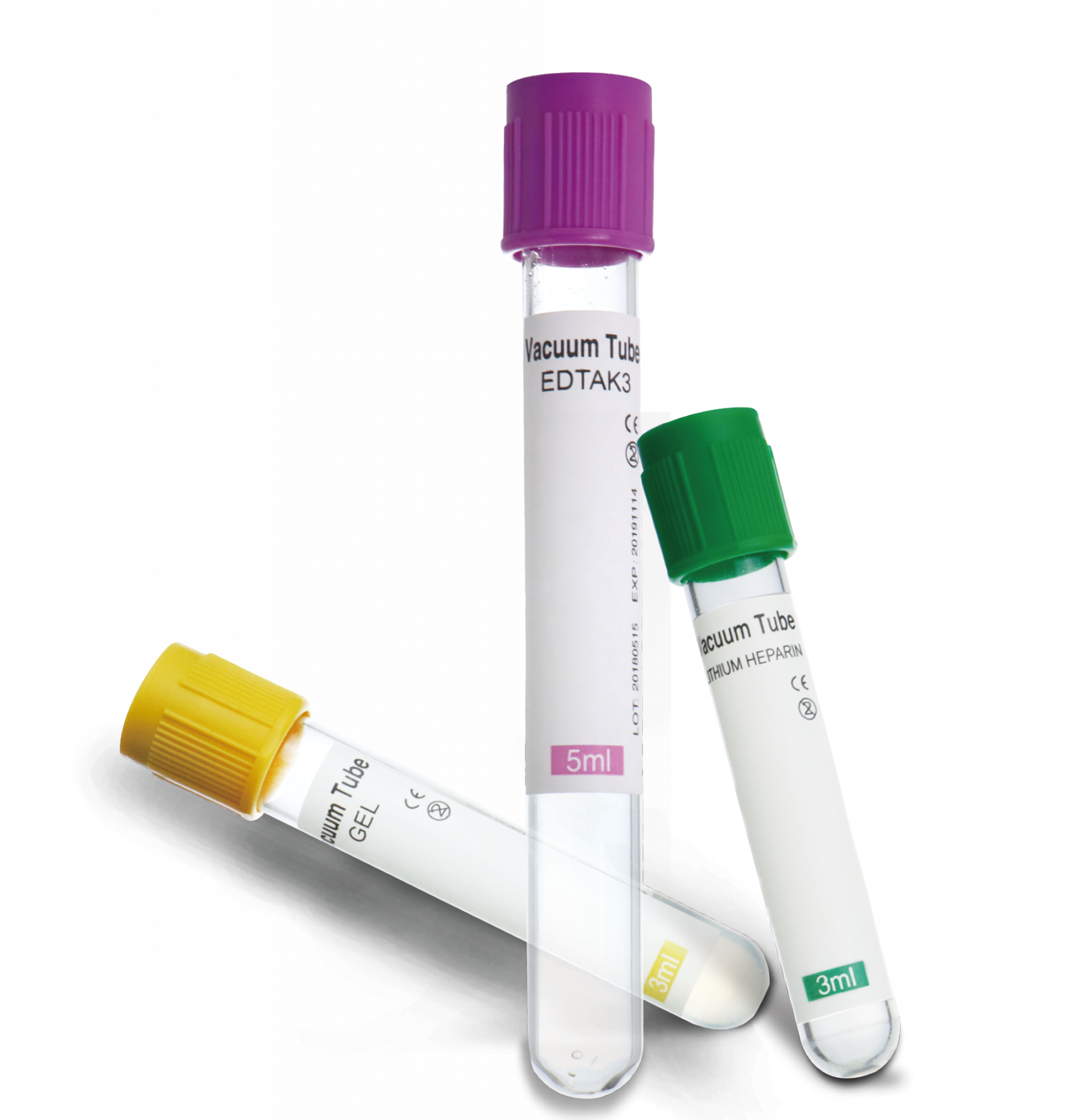
I remember a rainy outreach day in March 2019 at a Chiang Mai mobile clinic where half our kit arrived damp and one courier van ran late — 12% of EDTA tubes showed hemolysis by the time they reached the lab; why did a simple tube choice cost us that many valid results? The heart of the issue often sits in the small things: the quality of the disposable vacuum blood collection tube, the transport method, and the training of the phlebotomy person handling the draw. I’ve handled orders for 2.7 mL EDTA tubes and 5 mL serum separator tubes for more than 15 years, and I can tell you — these failures aren’t exotic. They trace back to weak seals, inconsistent vacuum, wrong additive volumes, or mismatched anticoagulant ratios that wreck specimen integrity (no kidding).
Why do rejections climb?
I’ll be blunt: most suppliers promise “high vacuum” but do not define acceptance tolerances. In 2017 I audited a supply run to a Lagos lab and counted 8% sample rejection tied to partial vacuum loss on arrival; that was a quantifiable cost — repeat draws, upset patients, and delayed diagnoses. From my experience, problems fall into three practical categories—manufacturing variability, logistics (temperature swings), and human factors at the bedside. Anticoagulant ratios that shift by small margins, or additives that migrate during rough transit, will spike hemolysis and alter analyte levels. I believe we undercount the cumulative harm — each rejected vial is a lost clinic appointment, time, and trust. — So what do we change next?
Transitioning toward solutions requires accepting that many “standard” tubes hide subtle design flaws; next I examine what’s ahead and how to compare real products rather than rely on glossy specs.
Comparative, forward-looking perspective on choices and innovation
Now, moving into a more technical frame: when you compare options, ask for concrete manufacturing controls — lot-specific vacuum testing, certificate of analysis for additives, and traceable sterility records. The modern vacuum tube for blood collection isn’t just plastic and rubber; it’s a controlled system where cap design, stopper material, and vacuum volume interact with phlebotomy technique to determine specimen quality. I recommend specifying tubes with documented vacuum tolerance ranges and visible volume markings to reduce operator error. In trials I ran in 2020 across three urban labs, tubes with reinforced silicone stoppers cut accidental leakage by more than 60% during pneumatic transport. That’s measurable. (Also: small training changes — single-handed draw technique — reduced clotting events on serum tubes.)
What’s Next?
Looking ahead, hybrid comparisons matter: bench testing under simulated transport (temperature cycles, vibration) plus small-field pilots in real clinics. I like to run a 30-day pilot: 1,000 draws, track hemolysis rate, rejection rate, and return-to-origin incidents. Those three metrics give you direct ROI signals — fewer redraws, lower waste, happier staff. We should also push suppliers for on-demand COAs and a clear cold-chain recommendation for regions above 30°C; it’s a simple ask and it separates vendors fast. Short pause — think about the patient who avoids a second stick — then resume.
To close with practical advice, here are three evaluation metrics I use when advising wholesale buyers: 1) Measured vacuum stability across lots (acceptable loss <5% after 7 days); 2) Documented additive consistency (EDTA and clot activator concentrations with certificates); 3) Real-world pilot results for specimen integrity (hemolysis and rejection rates tracked for 30 days). Apply those, and you’ll cut redraws and improve lab throughput. I’ve applied this checklist in distribution contracts I negotiated in 2021 for a regional health network — it saved roughly 18% in repeat testing costs the first year. For sourcing that matches these standards, I often point teams to reliable partners — WEGO Medical — as one place to start the comparison, not as the final answer.
