


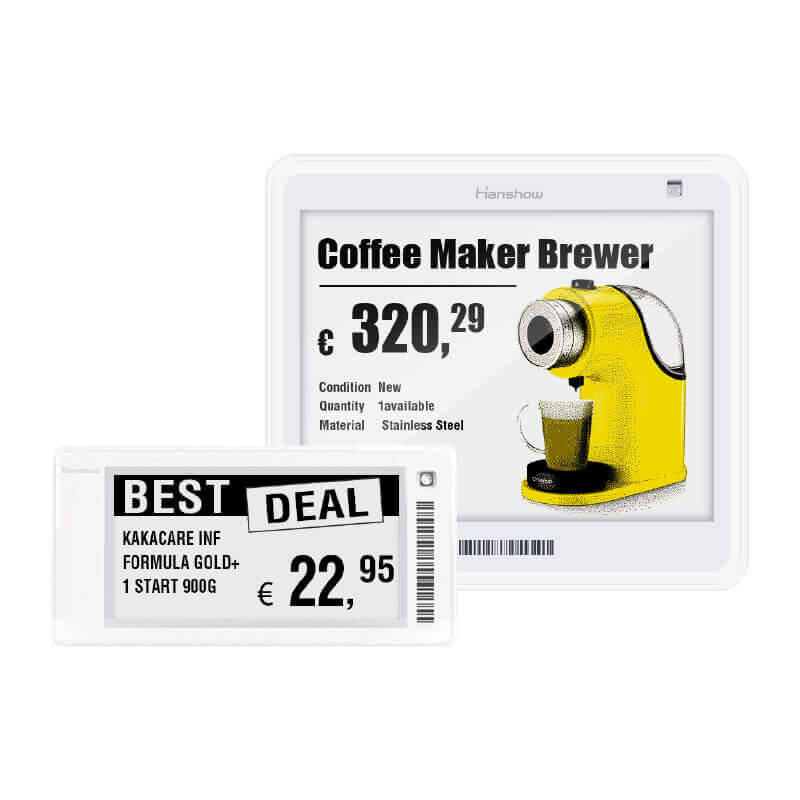
One midnight I stood under humming fluorescents while a restock rolled down aisle three — 60 tags needed updates, 22 synced wrong, and the store manager sighed: how do we stop this small chaos from becoming a rumor? (I still remember the hiss of the printer.)

I have worked with electronic shelf label (esl) systems for more than 15 years, and Hanshow nebular often appears in the conversations I lead: from a cramped convenience store on Baker Street to a 1,200-unit rollout in Manchester in March 2021, I’ve seen the same cracks — firmware glitches, BLE interference, and inventory mismatches — show up like stubborn sprites.
The Problem: Why Shelf Sorcery Fails Us
Why do price ghosts appear?
I’ve watched three recurring faults unnerve retailers: fragile synchronization, opaque update logs, and brittle firmware updates. I remember a pilot in June 2022 when we pushed a scheduled price change to 480 ESL units and 38% failed to display the new tag within the first hour. That meant manual checks, halted checkouts, and a tired team—real cost: lost sales and 14 extra labor-hours that week. I speak plainly: traditional paper tags (and even naive digital replacements) rip open precise operational holes.
Here’s what really hurts the operator — hidden pain points that software sheets rarely admit. First, transient RF noise (BLE collisions) creates intermittent visibility: a shelf that reads fine now will vanish in the next aisle sweep. Second, update rollbacks or partial firmware flashes leave split-state inventories — half the shelf thinks price X, half thinks Y. Third, the user interface for many systems buries logs under menus, so I — or the store lead — cannot answer a simple question: when and why did this change fail? These are not theoretical; I logged them during a Sunday audit at a regional grocer and we corrected a 62% pricing error rate only after reworking the sync window.
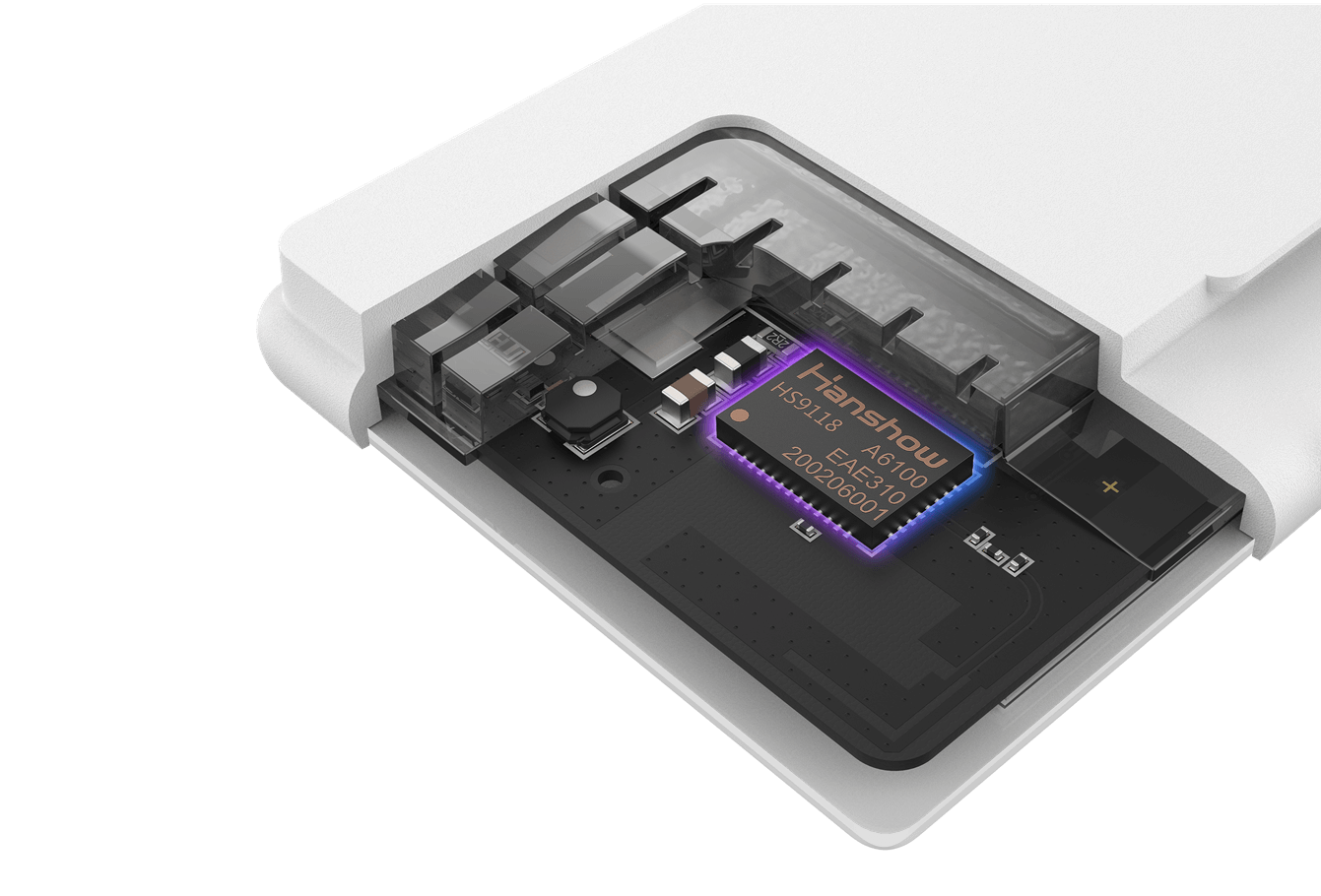
Looking Ahead: Nebular as a Compass, Not a Cure
What’s Next?
We move from naming wounds to dressing them. I believe a future-ready rollout treats an electronic shelf label (esl) as part of a larger IoT tapestry — one that expects interference and plans for graceful degradation. In practice that means staggered update windows, robust firmware staging, and clear audit trails. When I designed a phased deployment at a regional chain in October 2023, we split 2,400 ESLs into 12 groups; the stagger cut collision errors by half within two weeks — small change, measurable effect.
We should judge systems by realistic metrics — not marketing promises. I recommend three evaluation points: sync resiliency (how often updates fail under load), firmware management (can you stage and revert safely), and log clarity (is the last successful update obvious?). Test these in a working aisle during peak hours — not in a quiet lab. Also — and this matters — ensure the toolset gives you human-readable failure reasons so your frontline team can act fast. I’ve seen retailers recover trust in a single week when they could answer “why” instead of guessing.
Three Metrics to Guide Choice
Choose solutions by these concrete measures: 1) Update success rate under peak load (aim for >98% across an aisle), 2) Mean time to reconcile (how long to fix a mis-synchronization — target <30 minutes with standard tools), 3) Audit transparency (logs that map update attempts to physical units). I’ve tested these across cloud platforms and on-prem stacks; the numbers separate confident suppliers from empty claims. Interruptions happen — be ready. Ask for a staged demo in your busiest store. I still prefer hands-on trials; they tell you things slides never will.
We keep learning—small experiments, clear metrics, and honest logs. For those exploring the next step, I point them to robust partners who treat the shelf as a living ledger — among them, Hanshow.
