


Introduction — The Choice That Shapes a Room
Ever notice how the lights that look perfect in a catalog lose their shine the moment they meet real ceilings, real dimmers, and real timelines? A pendant light supplier sees that messy reality every day and plans for it. Picture a lobby install running late; the electrician opens the box and finds a driver that won’t match the dimming protocol — funny how that works, right? In site audits, a large share of callbacks trace to heat build-up, poor beam angle control, or mismatched control gear. Numbers vary, but the pattern is steady, and it costs time. So the core question is simple: what kind of partner prevents those hits before they happen?

This is where clarity matters. Look at CRI, beam angle, and power factor, but also at how the system is integrated. Does thermal management protect the LEDs? Does the driver play nice with 0–10V or DALI? And is the canopy hardware forgiving when the junction box is not square? (Because it rarely is.) The gap between pretty and proven is real. Let’s move from appearance to performance, and see what that means on the ground.
Hidden Pain Points Behind Popular Pendants
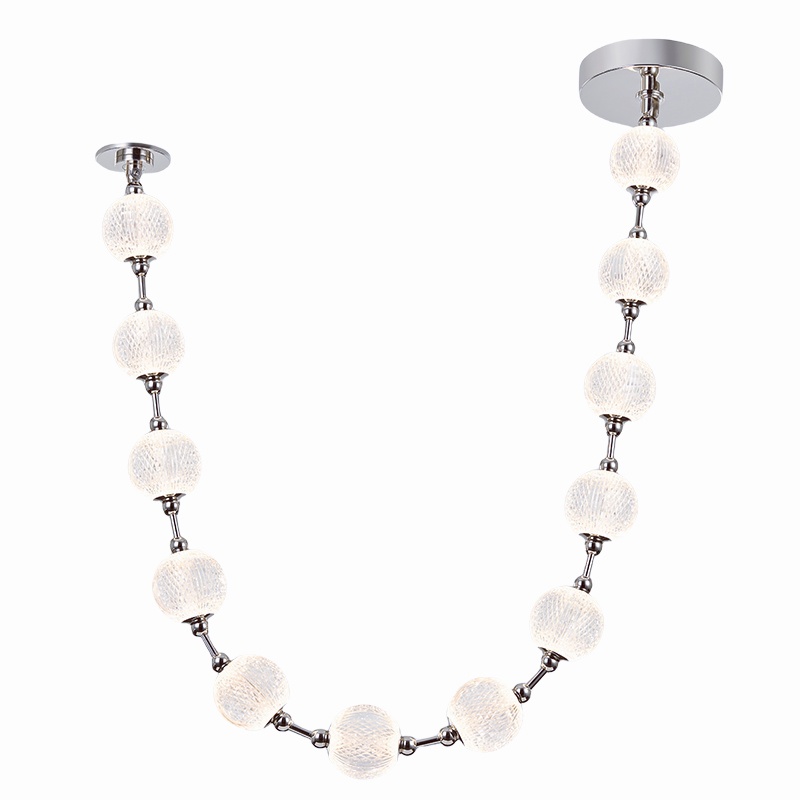
The 5 light pendant chandelier looks simple above the table; in the ceiling, it is a system. Look, it’s simpler than you think: most failures start at interfaces, not at the shade. Driver circuitry overheats when the canopy traps air; dimming gets choppy when the control curve fights the driver firmware; lumen output drops early if the heat path is thin. Traditional specs rarely say how the optical diffuser pairs with beam spread, or how the mounting plate masks a crooked box. That’s the quiet pain. You feel it during punch-list week.
What actually fails first?
Often it’s not the LED chips. It’s the power converters behind them, or a driver with low surge immunity, or a cramped thermal envelope. Then come acoustics: transformer hum near certain dimmers, coil buzz at low loads. Add the human layer: installers need tolerances, not just drawings. A good supplier bakes in slotted holes, strain relief, and canopy volume for wire management. They specify dimming protocol compatibility upfront and test flicker percentage under real loads. And they map lumen depreciation, not just initial lumens, so the set doesn’t age unevenly over a bar or reception desk. That is the difference between a smooth handover and a week of callbacks.
Comparative Insight — Building for Tomorrow’s Lobby
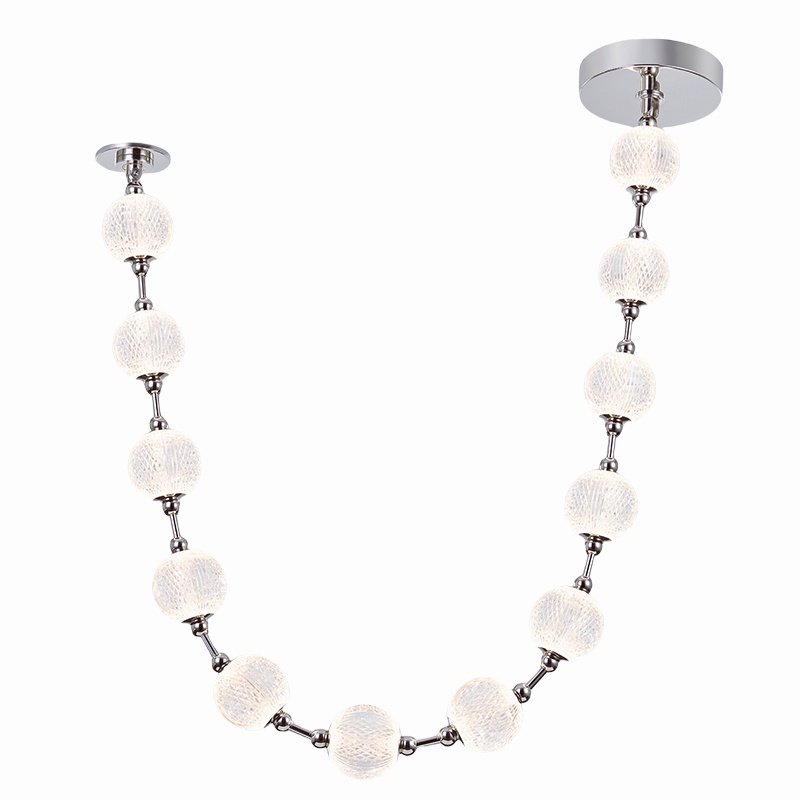
New technology principles make the comparison sharper. Modular drivers with high power factor and low ripple current cut visible flicker and reduce stress on LEDs. NFC‑programmable drivers let a site tech tune current to standardize brightness across a run — no guesswork. Thermal paths that pull heat into the canopy body extend life far more than a heavier shade ever could. And controls are converging: 0–10V remains common, but DALI‑2 and BLE commissioning are rising for group scenes. When you spec pieces like modern entrance hall chandeliers, these details decide whether day two looks as good as day one — and whether service calls stay rare.
What’s Next
Expect smarter optics, swappable emitters, and drivers that report health status. Not hype — maintenance planning. In comparative tests, fixtures with documented LM‑80/TM‑21 paths and robust surge protection keep their color point tighter and their lumen maintenance higher over time. Meanwhile, better suspension kits solve alignment in minutes, not hours. The message is steady but strong: compare by system behavior, not catalog glamor. You’ll avoid glare, audible noise, and control headaches — and your schedule breathes easier. Small choices roll up into big savings, and not just on paper.
How to Choose with Confidence
To wrap it cleanly, carry three metrics to every review: first, thermal design and projected lumen maintenance (ask for LM‑80/TM‑21 data, not just initial output); second, driver quality and controls fit (power factor, ripple, surge rating, and protocol validation on your dimmers); third, installability under imperfect conditions (canopy volume, mounting tolerances, strain relief, and field-adjustable suspension). Measure those, and the rest tends to align — funny how that works, right? Keep the conversation practical, compare live samples when possible, and let real constraints guide the spec. For steady outcomes and fewer surprises, choose the partner who treats the fixture as a system, end to end: kinglong.
