


Why a side-by-side comparison beats gut instinct
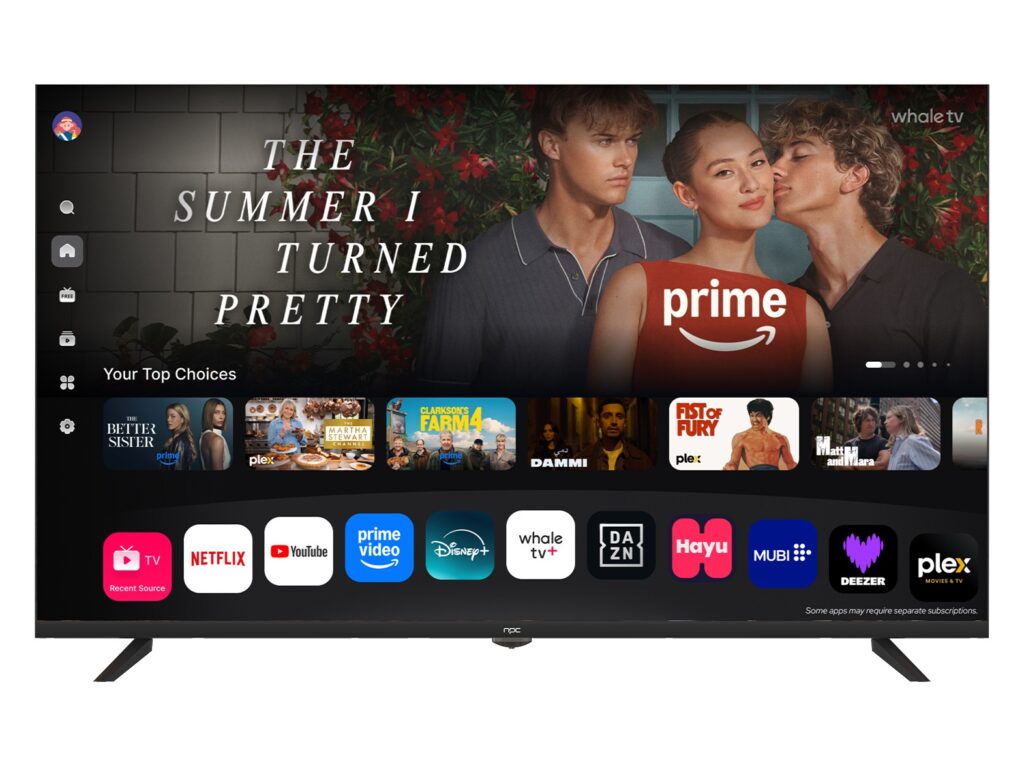
You’re buying hundreds or thousands of TVs. One bad decision costs time, margins, and reputation. Start by lining up the same checklist across every candidate so you’re comparing apples to apples. Focus on measurable items — panel technology, firmware update cadence, official test reports — and skip vague promises. If you want to see who actually manufactures screens at scale, check a monitor manufacturer early in conversations to confirm capabilities and avoid false claims.
Product specs that matter most
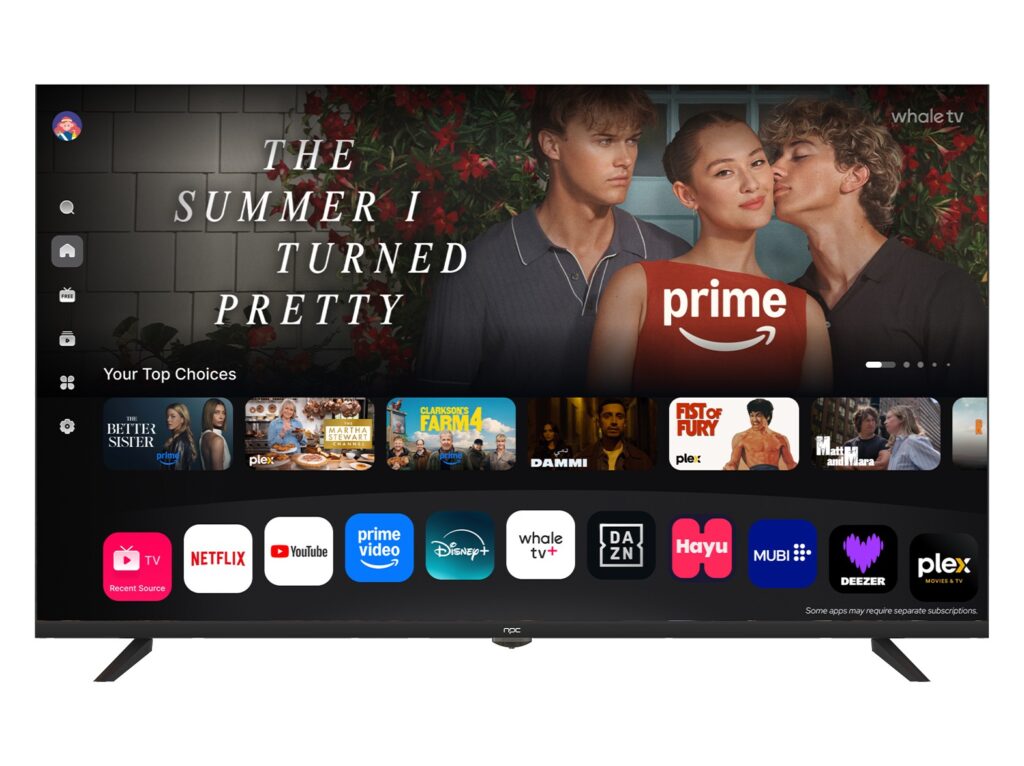
Don’t be dazzled by marketing. Compare panel type (VA, IPS, OLED), native resolution, peak brightness in nits, color gamut coverage (sRGB/AdobeRGB/DCI-P3), refresh rate, input lag, HDR format support, and built-in SoC (if it’s a smart TV). Note which models get factory calibration or third‑party reports. Write down target thresholds — for example, ≥400 nits for bright-room use or 95% DCI‑P3 for color-critical displays — and reject offers that don’t list measurable numbers.
Commercial terms that actually affect landed cost
Unit price is just a headline. Compare minimum order quantity (MOQ), price breaks by volume, payment terms, and accepted incoterms. Add freight, duties, packaging, and expected rework into a per-unit landed cost. Ask suppliers for sample costs and lead times for production and reorders. A supplier with slightly higher unit cost but reliable 30‑day lead times often beats a low-cost vendor who slips shipments for months.
Quality controls, testing, and warranties
Demand test reports: burn‑in logs, uniformity scans, and failure rates from a recent production run. Look for ISO 9001, IEC/CE safety marks, and any regional certifications that matter for your market. Compare warranty length, what it covers (parts vs. labor), RMA turnaround time, and whether spare parts are stocked locally. A clear, written RMA SLA prevents costly post-sale disputes.
Logistics and after‑sales support
Check how TVs are packed (CBM per pallet), insurance options, and whether the supplier offers consolidated shipments or direct-to-customer fulfillment. Confirm firmware update processes — can they push updates OTA? Ask where replacement panels and boards are warehoused and whether there’s a trained repair network. If a supplier requires returns to overseas factories for every fault, factor that cost into your decision.
Experience and industry signals (real-world anchor)
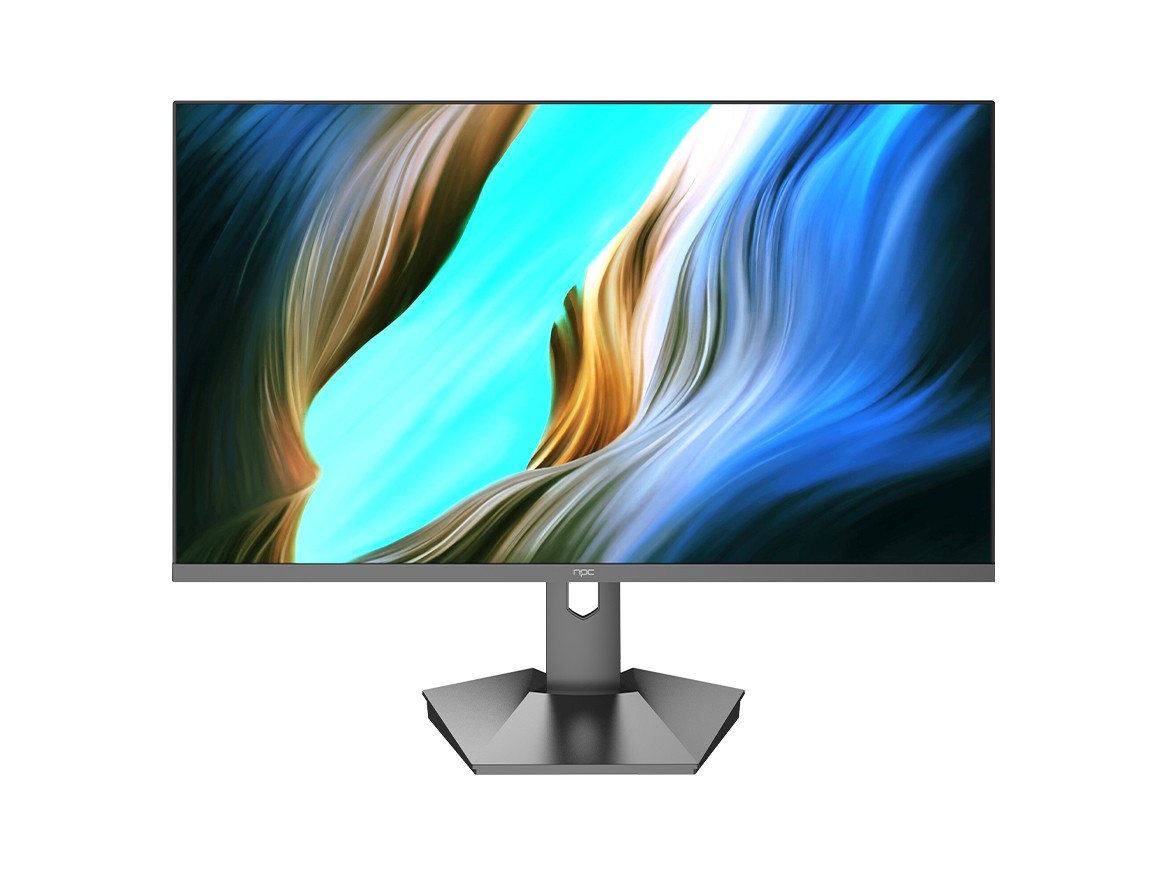
Suppliers who exhibit at major industry events tend to share verifiable specs and demos; presence at CES in Las Vegas is a practical signal you can follow up on. I’ve audited factory test labs that supply exhibitors, and they showed consistent sample validation across production runs. For comparative sourcing, it’s worth reviewing established lists of manufacturers — start with recognized directories like best computer monitor manufacturers to identify vendors with documented product lines and showroom demos.
Common mistakes to avoid
Don’t buy on lowest price alone. Don’t accept “customizable” specs without written drawings and tolerances. Avoid suppliers that can’t provide recent test logs or refuse third‑party inspections. Skip offers that rely heavily on ambiguous marketing terms instead of numbers — ask for proof or move on.
Viable alternatives and negotiation moves
Consider trading companies if you need variety and lower MOQs, but insist on factory verification. Ask for pilot runs of 100–300 units to validate production before full orders. Use third‑party QC at shipment, request sample serial numbers to check field returns, and negotiate escalation paths — faster RMA windows or spare-part credits — if early failure rates exceed agreed thresholds.
Clear next steps
Build a scoring sheet with weighted categories: product specs, commercial terms, quality controls, logistics, and support. Score each supplier and reject any vendor that leaves key boxes blank. A disciplined comparison keeps decisions objective and fast. If you need a partner who matches spec sheets to supply chain realities and handles test documentation, consider working with a sourcing partner such as npc who can align manufacturing capabilities to your requirements without guesswork.
