


Where the problem starts
Most parking operations run into the same visible waste: long driver circling, poor space turnover, and unclear guidance that frustrates customers and staff. A focused solution starts by replacing guesswork with clear, lane-level direction; a reliable parking guidance system does that work by telling drivers where to go instead of making them search. This guide stays practical — you’ll get what to fix first, what to avoid, and how decisions change once you stop patching symptoms and address the core failures.
Experience and authoritative context
Years of field deployment and integration work make the usual failures obvious: wrong sensor types, unreadable signage, and analytics that don’t reflect real-time state. Conversations at the ITS World Congress have repeatedly highlighted how operators move from pilot projects to city-scale systems when they adopt standards for data, interfaces, and maintenance, and that shift often depends on the chosen automated parking guidance system: automated parking guidance system. That combination of hands-on deployments and industry discourse provides the technical and operational judgment this guide uses.
Root causes to fix immediately
Start with three concrete checks: confirm you have reliable occupancy sensing at the right granularity; ensure signage updates within one or two seconds of state change; and verify the back-end reports true availability rather than calculated estimates. Miss any one of those and the whole system looks unreliable to users. Replace estimates with direct readouts where possible and prioritize steady, testable updates over flashy dashboards.
Core components and what matters most
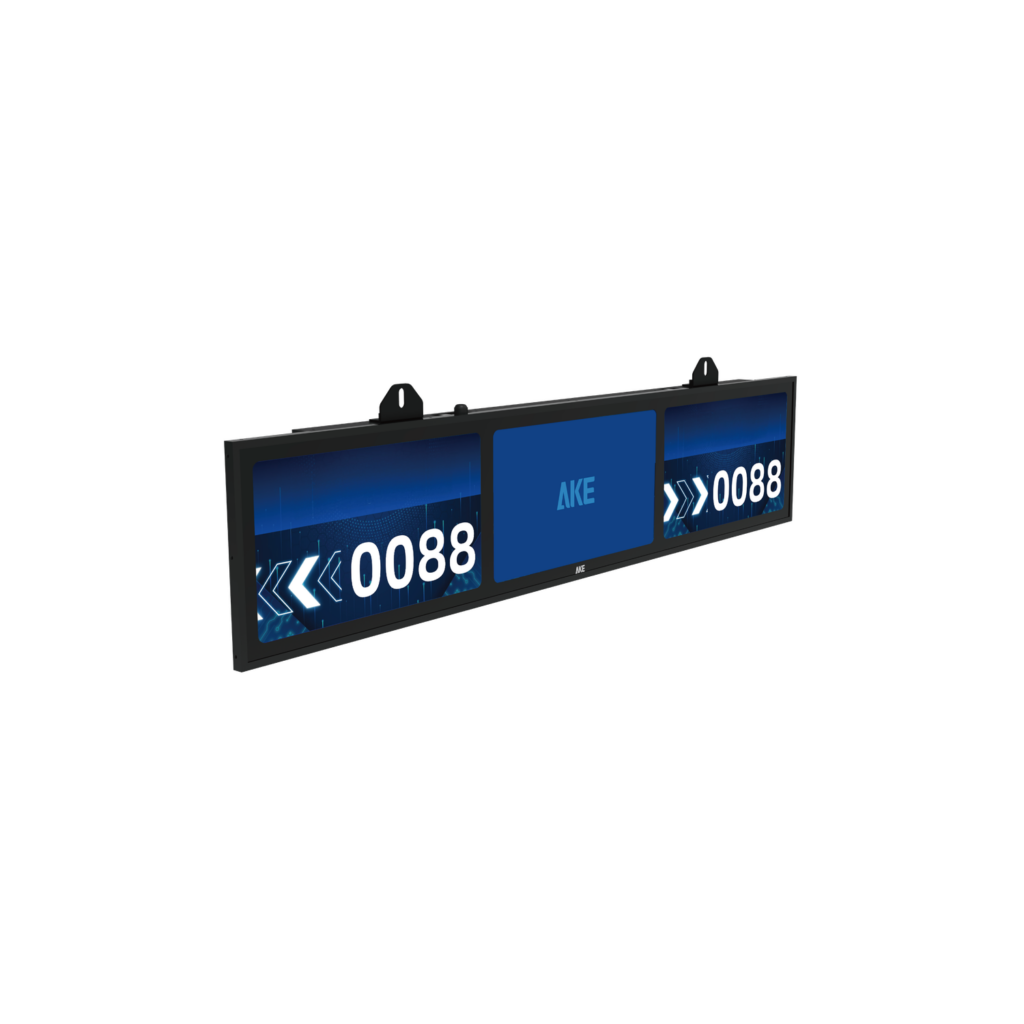
Sensors: choose spot-level or bay-count that matches your lot’s layout. Connectivity: prefer wired or robust private wireless where signal drops are unacceptable. Guidance displays: high-contrast, modular signs placed at decision points. Software: open APIs and event-level logs you can query. Maintenance plan: scheduled sensor calibration and a clear fault escalation path. Each element must be chosen to solve the real problem you identified earlier—don’t buy features you won’t maintain.
Common mistakes that derail projects
Picking the cheapest sensor type without field trials; assuming Wi‑Fi will cover a deep concrete garage; skipping signage mockups with live traffic; underestimating firmware and integration testing. Those choices produce systems that look good on paper and fail under daily use. Plan a small, observable pilot in a high-traffic zone and measure actual time-to-find and turnover changes before scaling.
How to compare technical approaches
Spot sensors give true occupancy but need many nodes and planned maintenance. Camera-based analytics reduce per-spot hardware but demand higher compute, careful privacy controls, and consistent lighting. Ultrasonic sensors are inexpensive but sensitive to installation angle and cleaning. Balance cost, upkeep, and the skillset of your in-house team; the correct choice is the one you can support reliably for years, not merely the lowest upfront cost.
Procurement and rollout checklist
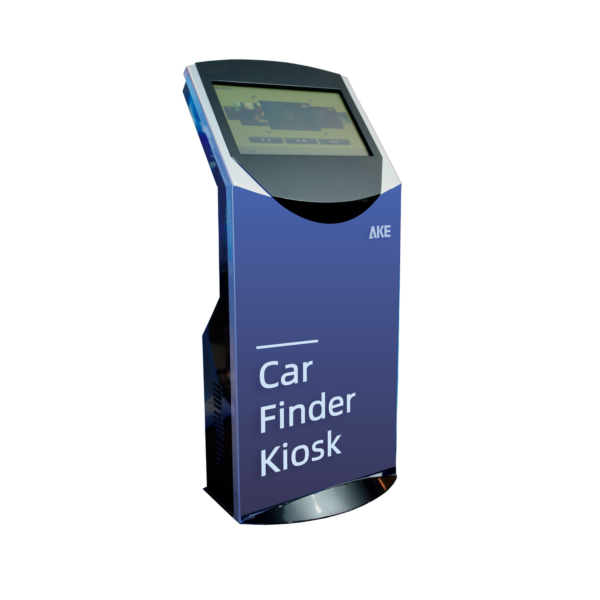
Create a short contract list: defined uptime targets, small staged deployments, clear data export formats, on-site acceptance tests, and a schedule for firmware updates. Require runbooks for fault diagnosis and spare-part inventories. Test end-to-end from sensor to sign to mobile app under real conditions and verify that staff know how to respond when a sensor reports failure.
Synthesis and practical next step
Fix the core failures first: accurate sensing, timely guidance, and maintainable integrations. Once those are solid, analytics and user-facing polish matter and will compound the benefits. For operators who want coherent hardware and integration choices mapped directly to these practical problems, AKE Parking offers product and service options that align with the steps above without promising miracles.
