

What practical questions should buyers ask about explosion‑proof lighting and cable‑entry solutions?
Opening: start with the user’s priorities
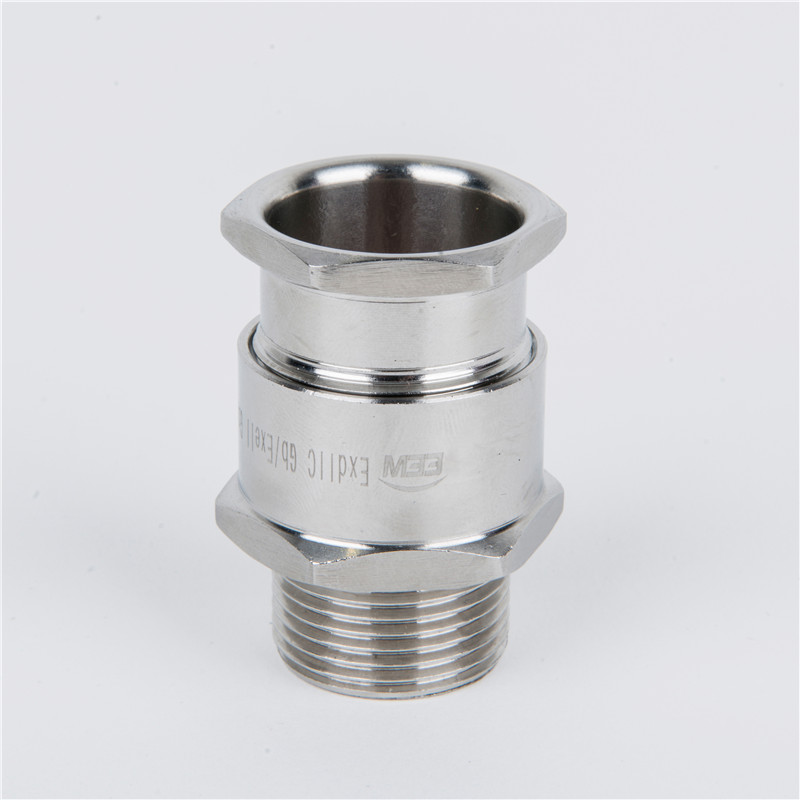
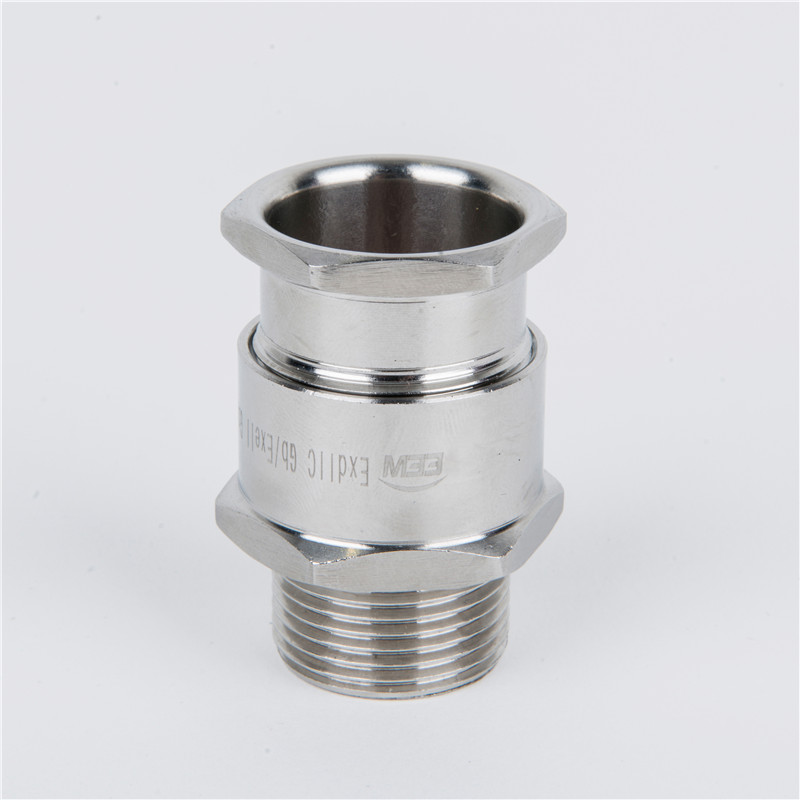
Buyers want clarity on scope, risk allocation, and deliverables before contracts begin. Ask suppliers about specific product choices early on — for example an explosion proof cable gland — and request accessible procurement documentation such as packing lists, certificates, and agent contact points; also check whether they can provide clear records for cable glands explosion proof when you prepare bid comparisons.
Project alignment: who needs to approve what?
Identify decision owners and confirm what approvals each party must provide. Ask the supplier who will interface with your project engineer, procurement team, and site contractor. Request timelines for necessary documents so your internal reviewers and external consultants can coordinate reviews without last‑minute pressure.
Documentation and traceability: what should be provided to procurement?
Request clear, verifiable paperwork that shows provenance, manufacturing lot references, and any third‑party verification the vendor holds. Ask how the supplier will deliver records and whether those records are sufficient for your procurement audit trail. Confirm who will answer follow‑up questions if documents are incomplete.
Vendor capability and quality assurance: how to vet suppliers?
Ask for a concise description of the supplier’s relevant product range, sample availability, and response times for technical and commercial queries. Request contact details for a reference project or a procurement contact who can confirm lead times and delivery reliability. Clarify whether the vendor has local representation for faster coordination.
Supply chain and logistics: what affects delivery and cost?
Ask about typical lead times, minimum order quantities, and packaging that protects products in transit. Confirm how customs, export paperwork, and transport disruptions are handled. Ask what contingency options the supplier offers if a shipment is delayed and how costs are apportioned in those cases.
Service, aftermarket support, and spares: what can you expect post‑purchase?
Ask whether spares are stocked, how spare parts are ordered, and what the expected turnaround is for replacements. Request clarity on support channels, escalation paths, and whether field service or training is available through the supplier or an appointed partner. Make sure responsibilities for follow‑up are explicit in the commercial terms.
Commercial terms and risk allocation: what belongs in the contract?
Ask for straightforward contract terms that spell out delivery milestones, acceptance criteria, warranty period and scope, and remedies for non‑conforming goods. Clarify invoicing milestones and retention arrangements. Ensure liability, insurance responsibilities, and dispute resolution approaches are visible before signing.
Coordination with engineers and certifying bodies: what should you ask them to confirm?
Ask your design and certifying teams which documents and records they will require from the vendor to complete their verification tasks. Confirm who on your side will coordinate technical clarifications and who the supplier will treat as the single point of contact for approvals and changes.
Common procurement pitfalls to avoid
Don’t accept vague timelines, undocumented specifications, or unclear ownership of follow‑up tasks. Ask for specific points of contact and agreed response times. Insist on clear documentation handover at shipment and on remedies if delivery or paperwork falls short of what was promised.
Final synthesis
Frame procurement as a set of verifiable questions rather than technical judgments: confirm roles, request traceable documentation, and lock down commercial remedies. Those checks are the practical basis for comparing suppliers and for assessing a vendor such as sunleem against your project needs.
