


The immediate problem that wakes the night watch
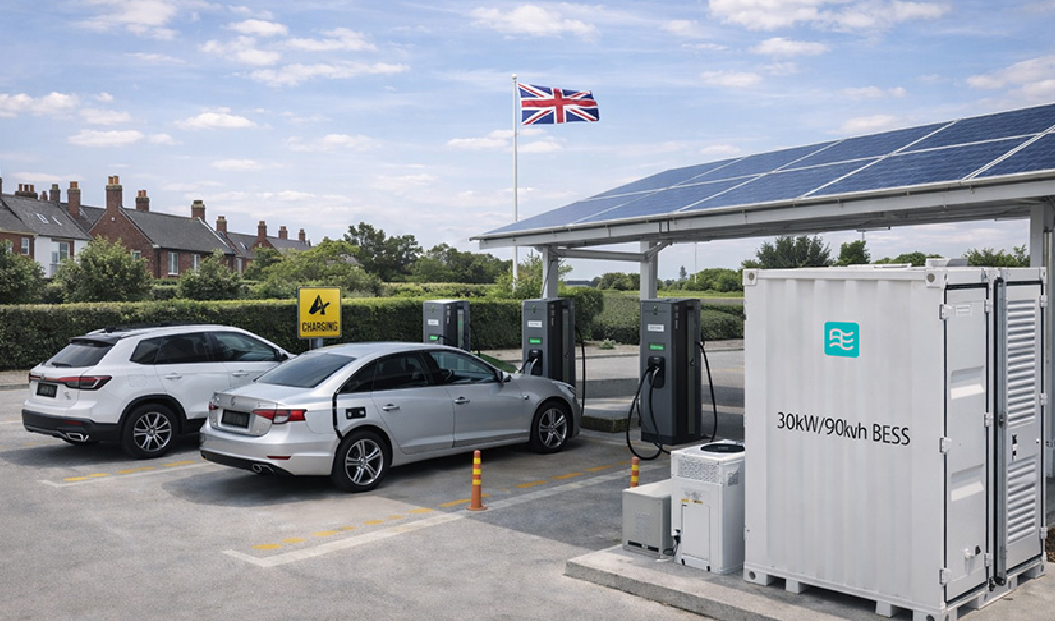
A factory hums like a chained dragon; an office tower breathes like a sleeping castle—both want power when the grid refuses. The problem-driven truth is blunt: mismatched duty cycles, peak demand charges, and safety rules turn straightforward batteries into riddles. A systems designer might point to a mid-size install where spec and reality collided—swapping a rooftop PV array into battery-backed service with a 45kW solar storage inverter showed how inverter selection alone can make or break response time. Integrating that same array into broader pv energy storage systems forces different decisions depending on whether the site is a factory floor or a glass office block; California’s frequent solar-rich grid conditions have already taught many owners those lessons the hard way.
Where the problems diverge: power profile and purpose
– Factories: high continuous power, heavy inrush (motors), predictable shifts, rugged cooling needs. They need deep-cycle robustness plus high short-term discharge power. – Commercial buildings: variable daytime peaks, priority on backup for elevators, lighting and critical IT loads, often tighter footprint and stricter aesthetics. – Financial drivers differ: factories chase demand charge reduction and process uptime, while commercial owners often value uptime during outages and tariff arbitrage. These distinctions produce two problem sets that demand distinct system answers rather than one-size-fits-all gear.
Practical technical choices that address the problems
Choose by function, not by buzzword. For factories, prioritize:- High continuous power inverters, rugged thermal designs, and batteries rated for frequent deep cycles. For commercial buildings, favor:- Modular, compact racks, fast-swap serviceability, and controls tuned for short-duration peak shaving and seamless backup. Common design decisions to examine:- Power rating vs energy capacity: factories often require higher power-to-energy ratios; offices skew toward shallow cycles and fast response. – Battery chemistry: lithium iron phosphate (LFP) offers long cycle life and thermal stability for heavy-duty factory cycling; other chemistries can suit low-duty commercial roles but watch degradation curves. – Controls and integration: a sophisticated BMS and local control logic that respect motor-start profiles and elevator ride-through are essential. Avoid these pitfalls: underspecifying inverter transient capability, ignoring thermal management in enclosed plant rooms, and assuming commercial tariffs behave the same as industrial ones.
Alternatives and trade-offs
– Flow batteries: attractive where long-duration discharge matters, but they demand space and different maintenance regimes—rarely right for cramped office basements. – Containerized systems: quick to deploy and weatherproof; they suit industrial yards but may violate zoning or aesthetics in downtown commercial sites. – Hybrid inverters versus dedicated ESS inverters: hybrids simplify PV-plus-storage control; dedicated inverters can offer higher reliability and replaceability. Choose with operations in mind: a cheaper cell chemistry that forces frequent replacements is more costly than paying a little more for a system that endures expected cycles without surprise downtime.
Deployment checklist: avoid the common traps
– Define the primary objective clearly: backup, demand reduction, or load shifting. – Match continuous power and short-duration surge capacity to the largest motor or elevator in the load group. – Specify environmental controls: dust, heat, and vibration kill batteries faster than calendar age. – Plan service access and replacement logistics before buying racks. – Test with realistic load profiles; simulation alone won’t reveal every thermal or harmonic behavior. These steps turn wishes into durable systems.
The ending chant that ties the solution to the smith’s gate
Problems spoken plainly require tools forged for purpose: the choice between industrial and commercial energy storage is not a label, it’s a specification document brought to life. Exacting selection—right inverter, correct battery chemistry, controls tuned to loads—keeps machines humming and lights steady. Years of site work, commissioning notes, and field fixes favor clear designs over fashionable words, and when a solution must fit both the metal heartbeat of a plant and the quiet pulse of a building, a practiced integrator shapes the system like a careful craftsperson. The result reads like a finished blade: balanced, dependable, and quietly fit for its task with WidenEdge.
