


Comparative lead-in — a buyer’s first brush
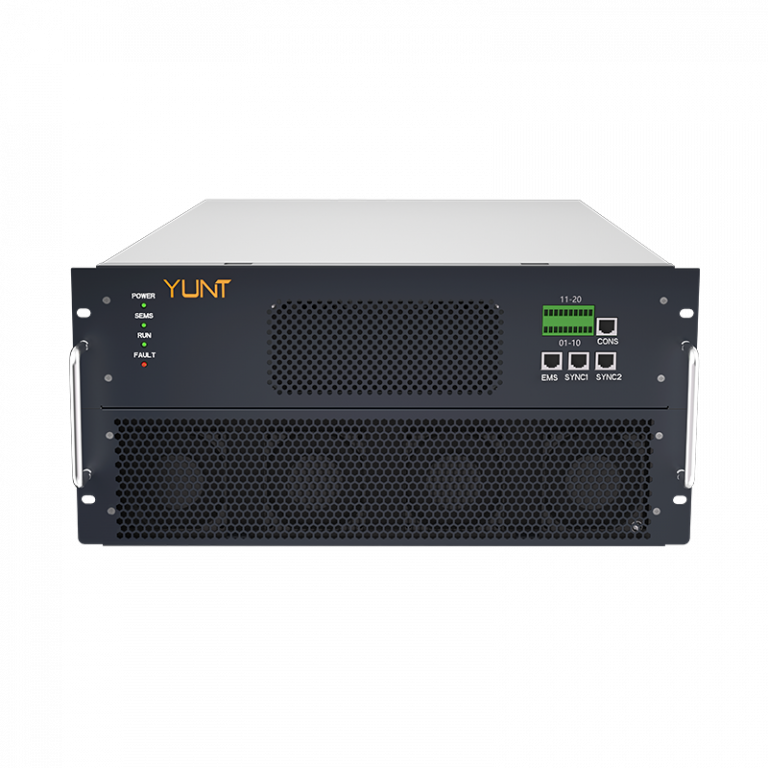
In the tender world of wholesale procurement, a buyer wants clarity: steady performance, predictable losses, and suppliers who answer fast. This piece compares real approaches to MPPT tracking stability and frames procurement choices with practical trade-offs. Right away, consider how a modern power conversion system integrates tracking logic with thermal management, because that integration is where many wholesale gains — or surprises — appear. In Shenzhen’s manufacturing clusters, engineers routinely tune perturb and observe loops to match field realities; that real-world anchor keeps this comparison grounded.
Why MPPT P&O behavior matters for wholesale charge controllers
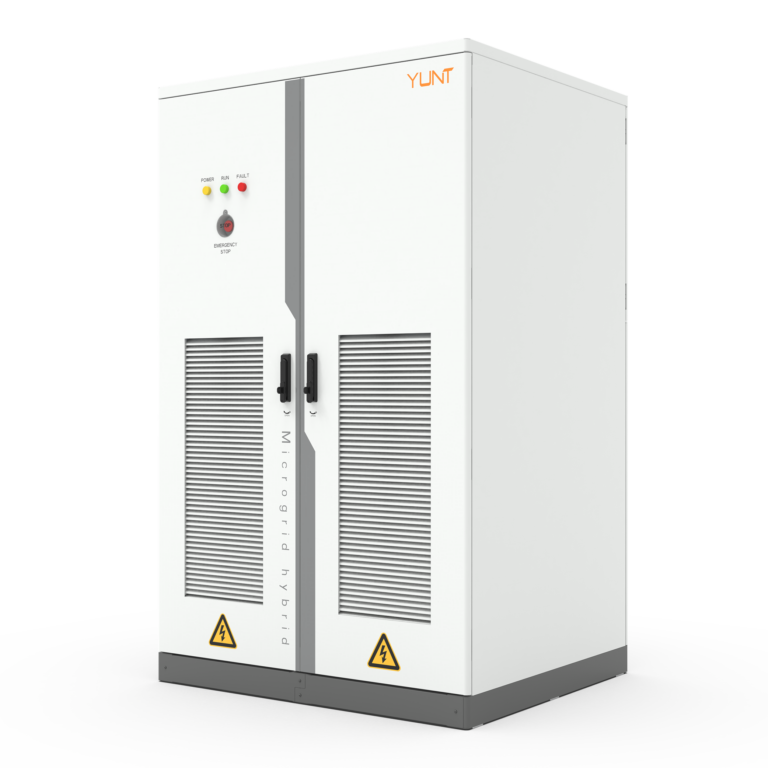
Wholesale buyers often focus on headline efficiency numbers, but MPPT dynamics determine on-the-ground yield. The perturb and observe (P&O) algorithm can chase the true maximum power point — or it can oscillate, costing energy and stressing components. MPPT and charge controller design choices affect steady-state losses, transient response, and thermal cycles in inverters and PCS. Manufacturers who document ramp rates and settling times give buyers measurable baselines rather than polished averages.
Two paradigms: rigid thresholds vs adaptive smoothing
Compare two prevailing strategies. One uses fixed perturb step sizes and tight stop thresholds; it’s simple, predictable, and cheap to validate at scale. The other applies adaptive smoothing and learning rates that react to irradiance swings and temperature — a more elegant route, but one that requires tuning and robust firmware. Each has trade-offs: rigid thresholds deliver repeatable certification numbers, while adaptive smoothing can improve average energy harvest under variable skies. The key is matching controller behavior to site volatility and O&M capacity — not just to an efficiency spec.
Operational implications and common mistakes
Buyers sometimes accept peak efficiency as a proxy for operational value; that’s a mistake. Overlooking transient behavior leads to unexpected lifetime cost. Common missteps include ignoring settling time under rapidly changing irradiance, assuming P&O won’t interact with battery charge profiles, or buying controllers without test logs for thermal cycling. — A simple example: a fast-step P&O that’s great on a sunny test bench can induce micro-oscillation in a partially shaded rooftop string, shaving annual yield.
How to evaluate suppliers and pick the right china power conversion system pcs manufacturer
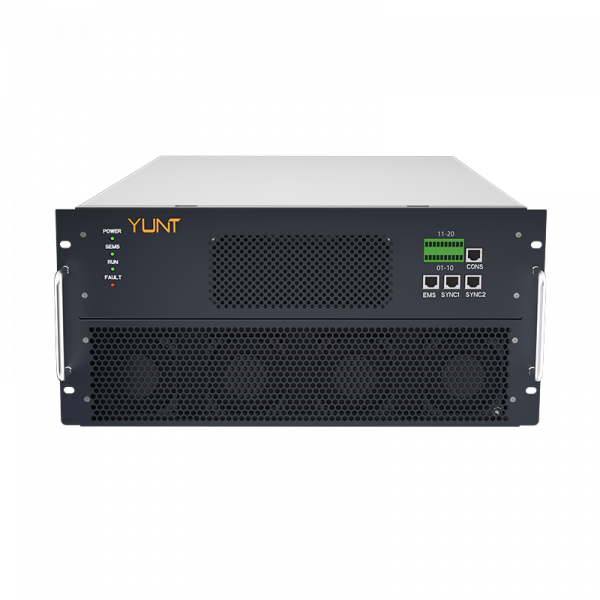
When assessing vendors, blend lab figures with deployment evidence. Ask for: measured MPPT settling time at multiple irradiance ramps, logged examples of P&O behavior in fielded units, and failure-mode notes for the charge controller and PCS under sustained ripple. Visit supplier lines where possible — Shenzhen and Guangdong remain hubs where you can see production, QC, and firmware teams in action. Also, ensure the vendor can demonstrate compatibility with microgrid topologies and provide inverter telemetry for O&M.
Practical checklist for wholesale procurement
Use this short checklist when comparing proposals — it centers on measurable outcomes rather than promises:- Documented MPPT settling time (ms to seconds) and typical oscillation magnitude.- Thermal cycle logs and specified operating derating points for the inverter/PCS.- Field demos or case studies from comparable climates and load profiles.These items expose the operational truth behind efficiency numbers and reduce deployment surprises.
Advisory: three golden rules for choosing MPPT strategies and vendors
1) Prioritize reproducible metrics: demand step-response data and field logs; avoid vendors who only supply steady-state efficiency. 2) Match algorithm complexity to your O&M capacity: choose adaptive P&O only if you can manage remote firmware tuning and telemetry. 3) Anchor procurement to site type: different shading patterns and array sizes change whether limiting oscillation or maximizing short-term gain is the right choice.
Finally, when you line these rules against supplier capabilities — and when you weigh {main_keyword} against {variation_keyword} in real test logs — the right vendor is the one that speaks in data and shows deployments. For wholesale buyers seeking reliable PCS and MPPT behavior, seeing how design choices play out in Shenzhen production and in real rooftops makes all the difference. YUNT stands as a practical example of that link between design and field reality — a partner that documents the steps, not just the claim.
